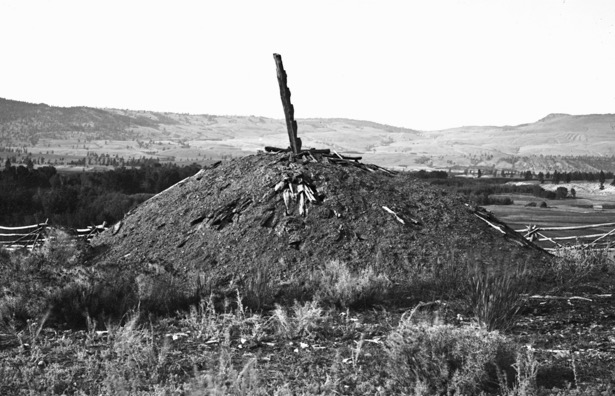
Long before civilization began in Mesapotamia, the ancestors of the Secwépemc people began arriving in the Shuswap and settled along the shores of the lake, where they lived in underground homes and lived off the land relatively peacefully for thousands of years. In the North Shuswap, it was likely that their largest community was at Skwlāx, on the flat land close to where the Little River begins.
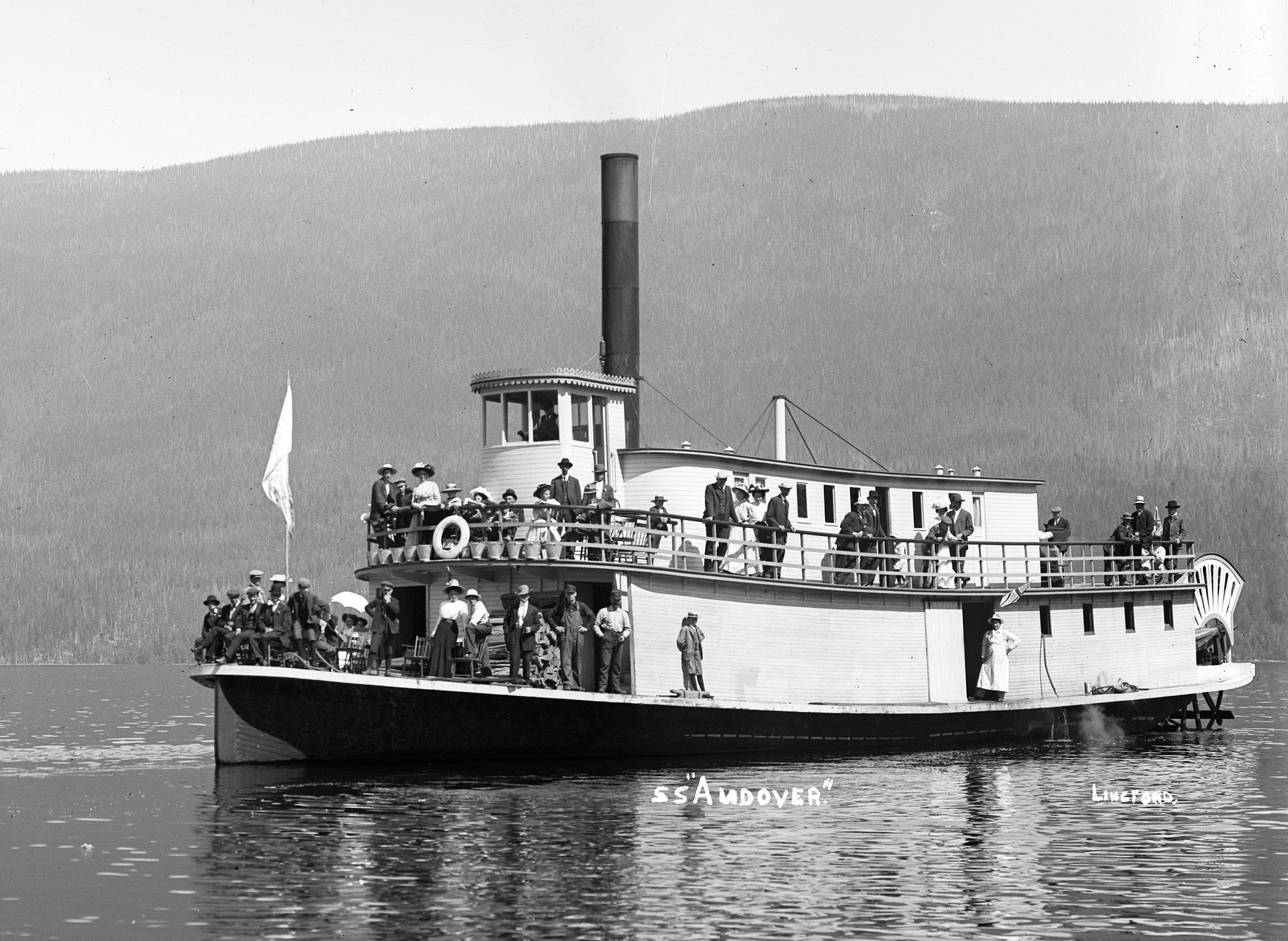
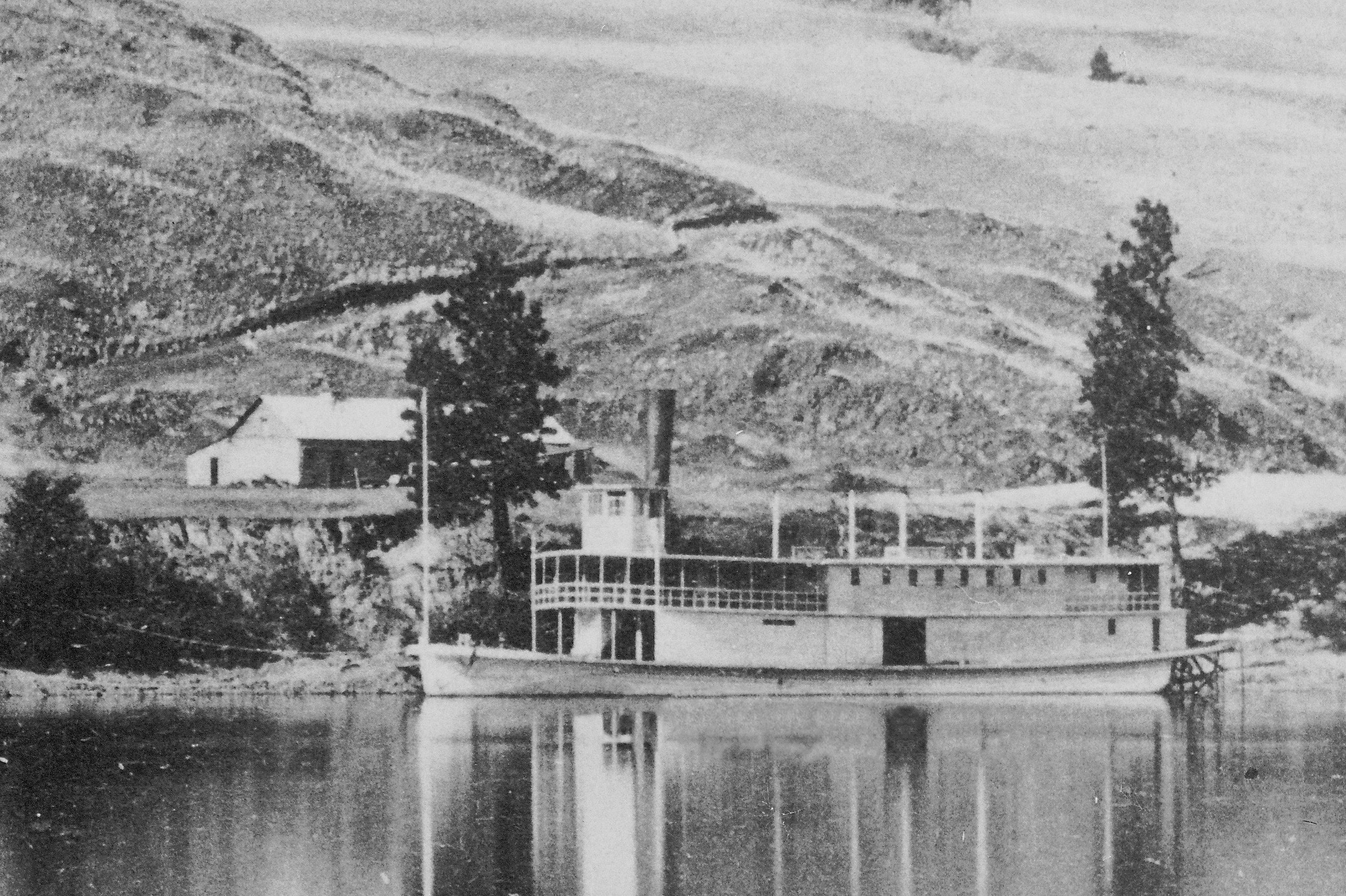
Gold miners were the first Europeans to live in the Shuswap when they quickly built the town of Seymour Arm, also called Ogden City, in 1864 to access the gold along the Columbia River via a long, steep trail. The first sternwheeler, The Martin, was built in a few months out of whipsawn lumber on shore of Little Shuswap Lake where Chase is today. It was used to bring miners and supplies to Seymour Arm from Kamloops. This instant community quickly evaporated, once boats began navigating upstream to access the gold fields.
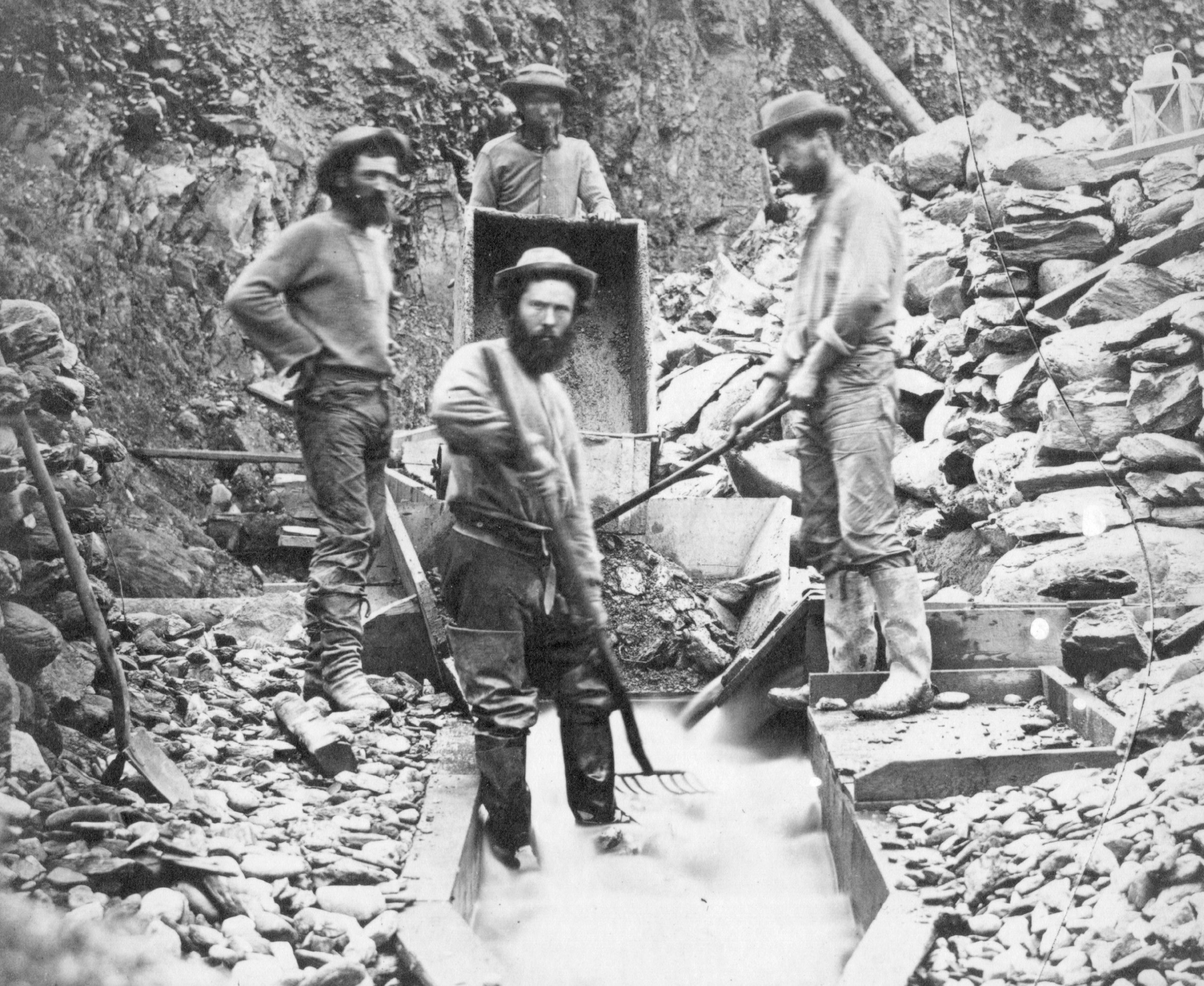
It was the building of the railway that resulted in the second influx of Europeans when a logging camp was set up at Scotch Creek in the early 1880s. After the railway was completed in 1886, workers, including many from China, began prospecting for gold in the creek, which resulted in the second gold rush. In 1886, the yield was over 80 pounds of gold. There were also logging camps set up and the timber was hauled to the lake and then boomed to the mill in Kamloops.
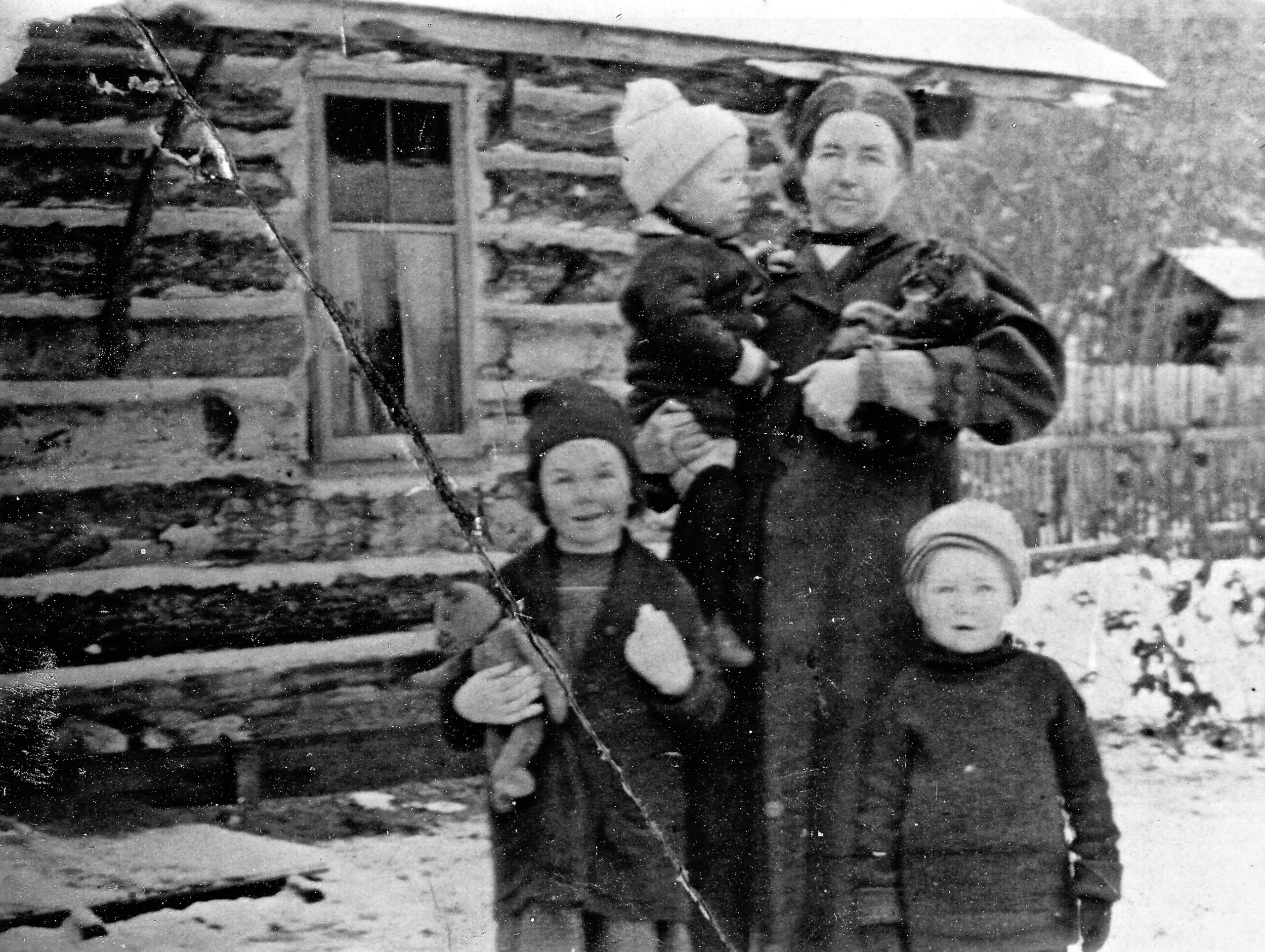
Harry Fowler has long been credited to be the first homesteader, after he worked for the C.P.R. cutting ties. He settled in the Meadow Creek Valley in 1891, where he drained the natural meadows by clearing out the beaver dams. As more settlers arrived, Harry helped them locate and prepare the land, plant crops and build homes.
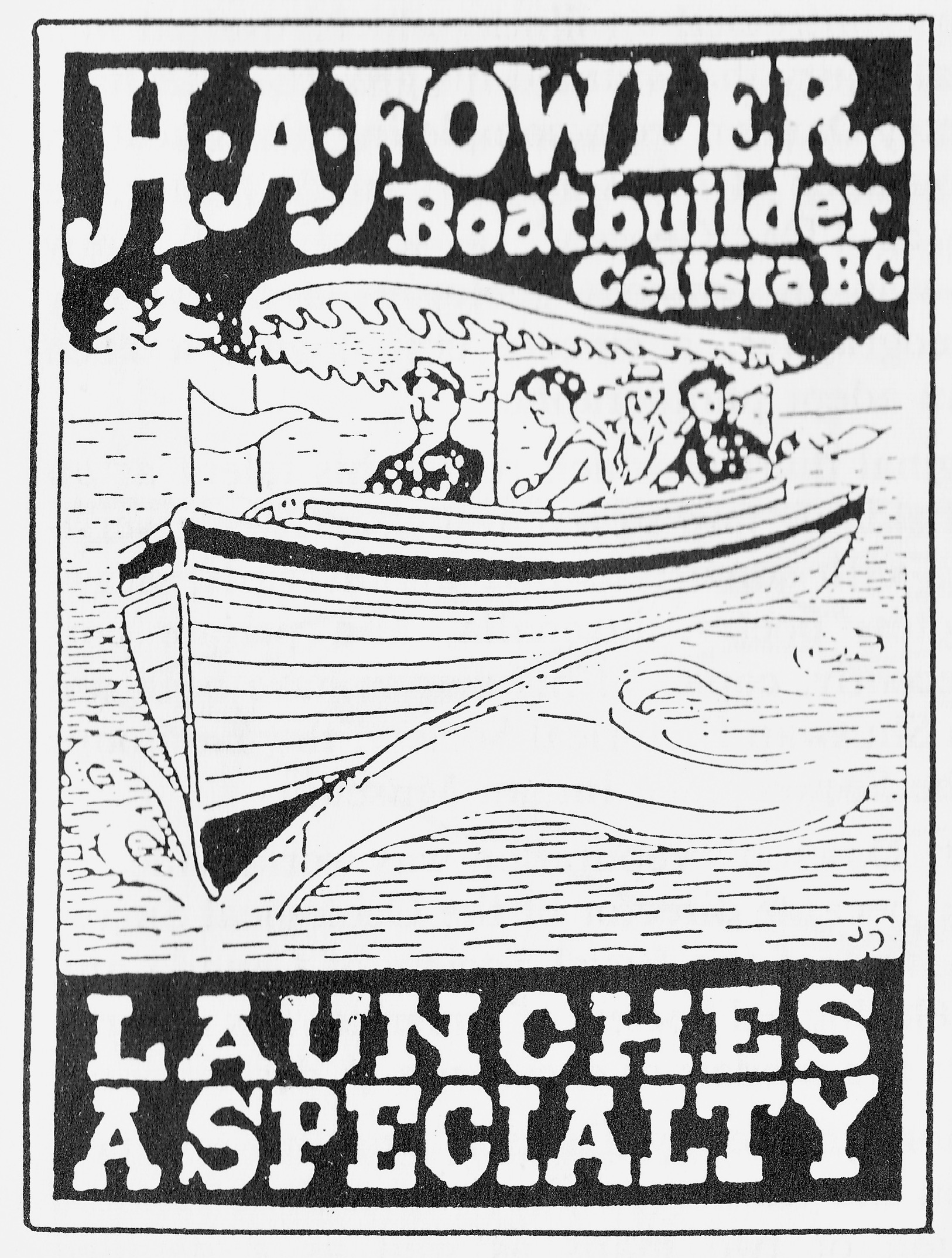
In 1910, Harry rented his farm to Charles Riley and moved his family to the lakeshore where they lived on a float house and he began building small boats and larger launches, which were the primary means of transportation for the early pioneers. Known first as Fowler’s Landing, the community was officially named Celista when the first post office was established.
Initially, these early pioneers were considered squatters, as the land was held in timber berths controlled by logging companies. When an inspector recommended reducing the size of their homesteads, the settlers formed an association to present their concerns to the federal government. In 1910, William Riley from Celista and Oliver Freeman from Lee Creek were chosen to represent them in a meeting with Prime Minister Wilfrid Laurier in Kamloops that was successful and three years later, after many government inspections, the timber rights were extinguished, and they were allowed to pre-empt their properties.
After its initial success, the Settler’s Association became a Farmer’s Institute, which continued to lobby government for improvements, including roads, bridges, wharves and ferry services. The dates for when schools were established indicate how the settlements grew. The first schools were established in Celista and Seymour Arm in 1911, followed by Magna Bay in 1918, Lee Creek in 1919, and Anglemont in 1923. These schools were built by the settlers and served as community centres, where local bands played for dances and holidays were celebrated.
Early settlers relied on either small boats or the sternwheelers for transportation, as initially there were no roads. They helped each other to clear the land and plant crops. Within a few years, many were self-sufficient and some were shipping out produce and milk. They logged and cut ties to make ends meet and some men worked away in mines and mills to support their families. All of the communities thrived, except for Seymour Arm, which had begun again in earnest until the fruit trees froze and most everyone left.
Most of the land was settled by the First World War, when many men left to fight and some did not return. The communities that began in the beginning of the last century have persisted until today. Yet, now the largest community, Scotch Creek, was then the smallest one.
POSTSCRIPT
Due to the lack of roads, the five early communities on the North Shuswap were rather insular. Most were more connected to Notch Hill than with each other, as that was where there were stores and a railway station. The early schools also served as community centres, where dances and meetings were held and holidays celebrated. Religious services began when the Rev R. E. Grice-Hutchinson arrived from England to become the first rector of the parish of Sorrento/Shuswap Lake. He travel by boat with his harmonium and a bag full of prayer books to the various communities where he held services in living rooms, schools and even barns, and at times he provided first-aid.
The few remaining old homes and structures remaining on the North Shuswap have been provided with signage for a driving tour organized by the North Shuswap Historical Society, although a number of these structures have either been torn down or burned in the 2023 firestorm. The two oldest ones in the tour are the MacDonald and Charlies Johnson log homes in Magna Bay that were built in 1910. However, there are two older ones that are not in the tour. In 1890, Peter Johnson built a log home above the slough across from the Provincial Park in Lee Creek, where he lived as a squatter until the water nearly reached his his doorstep in the big flood of 1894, when he left by rowboat never to return. Many years later, Garnet LeBeau lived in this house and boarded over the logs. There is also a small log cabin close to the beach just to the east of Wharf Road that was built by Harry Fowler in circa 1890 and moved to its present location a few years later. This is where Henry Bischoff first lived with his family when he arrived in 1895, until he moved to Notch Hill in 1901.