As most governments in the world are doubling down on increasing use of fossil fuels, the destructive impacts from climate chaos are increasing exponentially as scientists have been predicting. Europe was ravaged with wildfires this summer and over 25,000 people died from the heat, while over a thousand have perished after a glacier collapsed in Tibet. There have been yet more wildfires here in North America and although the number of hectares burned in B.C. are lower than the last few years, this summer over 500 homes and structures were destroyed, highways were shut down and thick smoke impacted health and tourism.
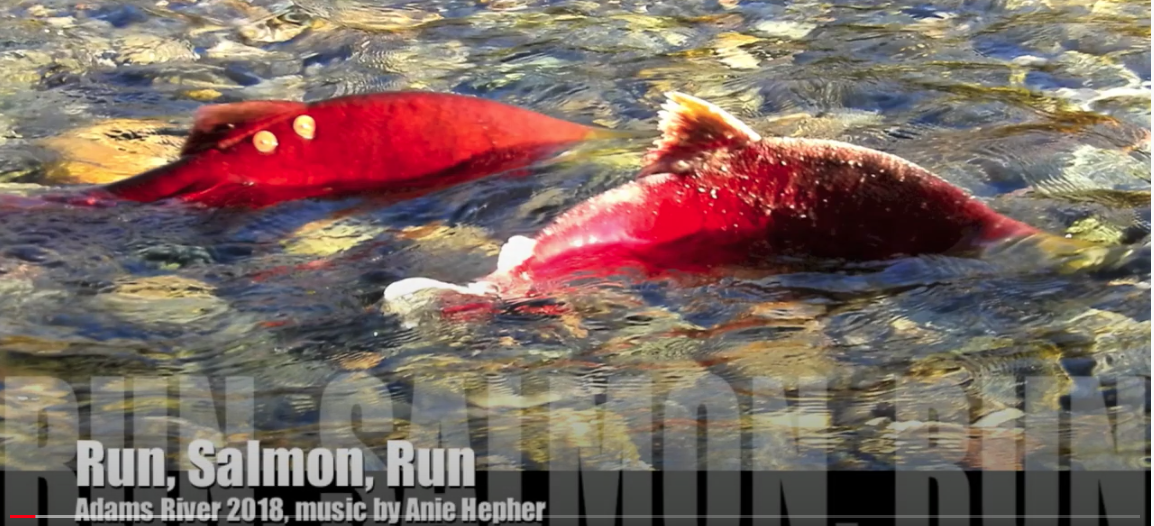
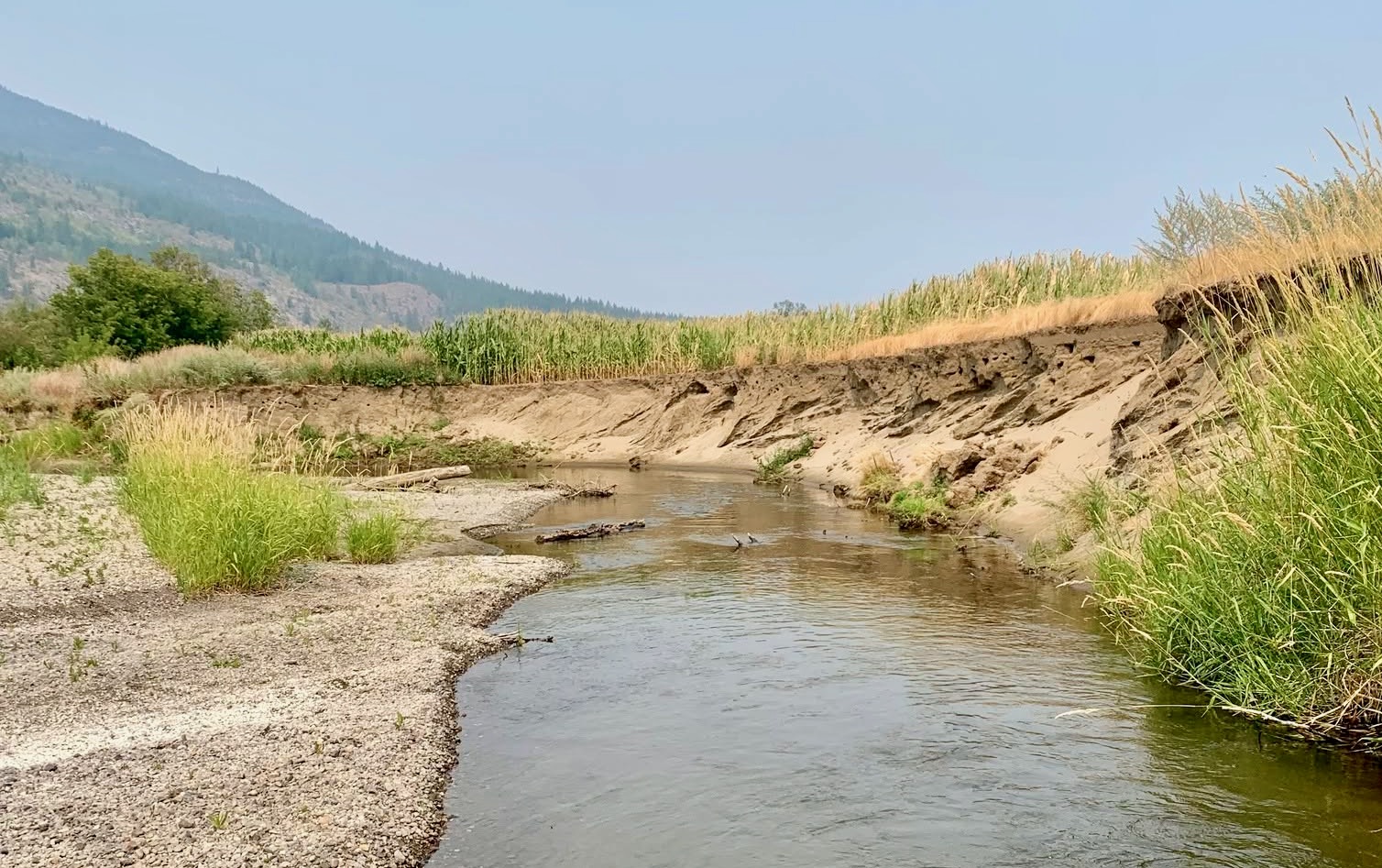
In both the Shuswap and the Okanagan, severe drought has led to restrictions on water use that will lead to high costs and cuts to food production. The Vernon Irrigation District, which includes water coming from the Shuswap watershed, had to reduce use by 70 percent early in the summer. This fall, there has been on and off again bans on water use for irrigation in the Salmon Valley to protect the spawning Chinook and Coho salmon, which has become a persistent problem nearly every year.
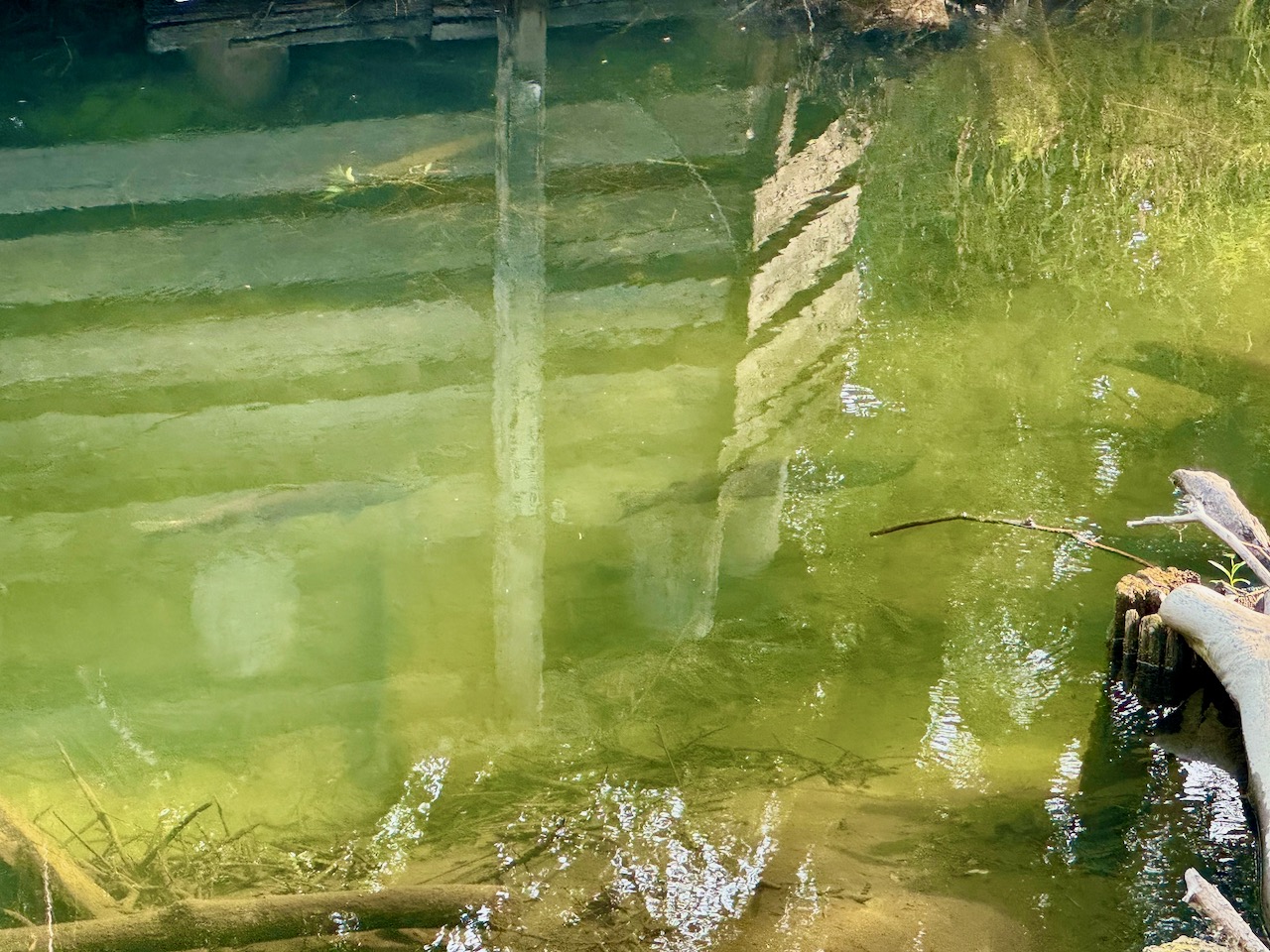
While reversing global warming now seems an impossible task, there are solutions to the water supply problem for farming, however improving supply as snow and rain diminishes will be complicated, time consuming, and costly. Yet the benefits have the potential to far outweigh the costs given there are over 800 farmers operating in the Salmon River watershed that together produce over 180 million dollars’ worth of agricultural products. These farmers are keen to find solutions that will protect both the salmon and their ability to continue irrigating in the late summer and fall.
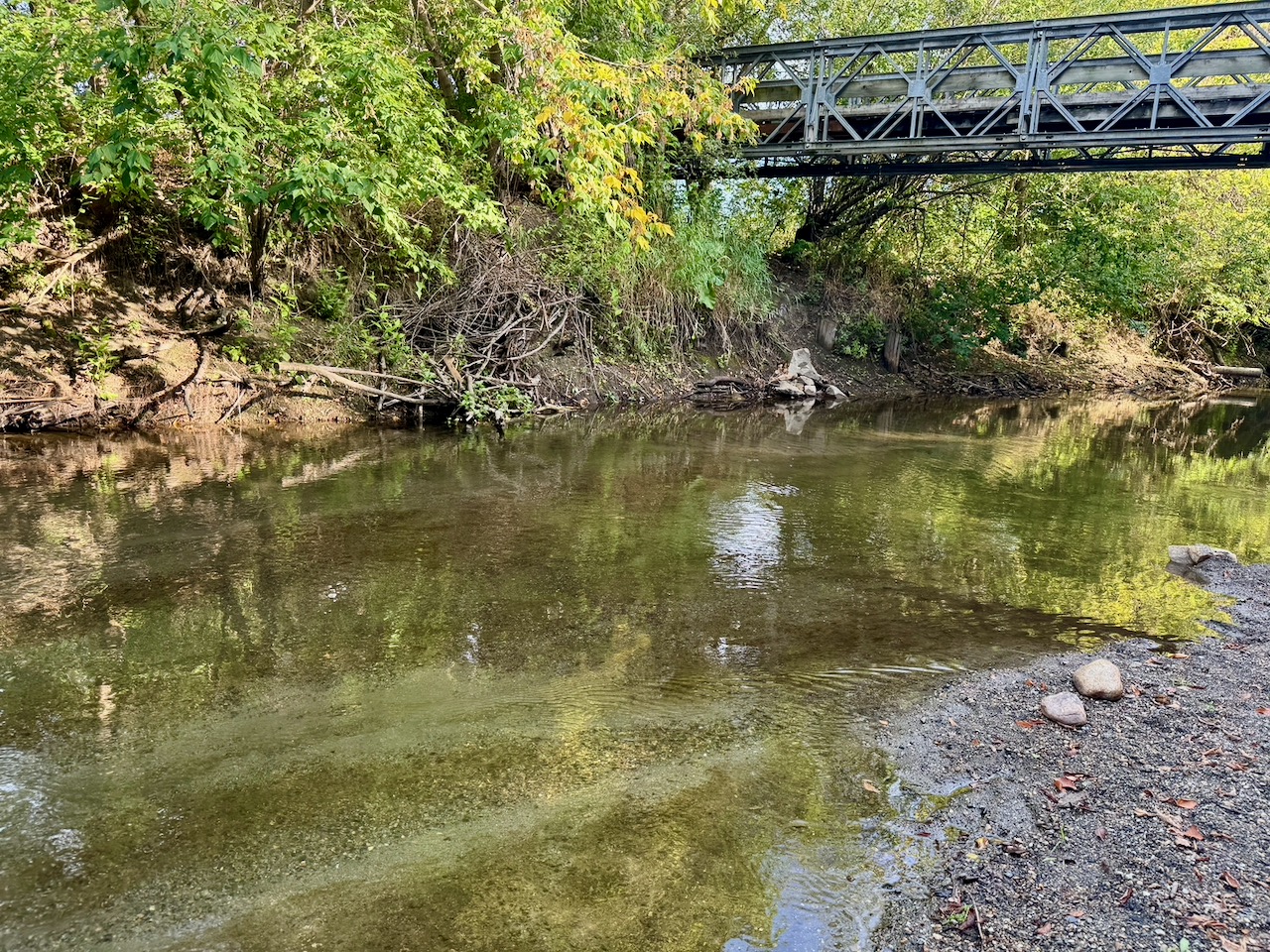
Years ago, the Salmon River Roundtable looked after the entire watershed and it resulted in many accomplishments, included restoration work that rehabilitated many kilometres of streambanks. There is now a dense canopy of trees and shrubs shading the river, providing better fish habitat and preventing erosion. However, after 18 years, enthusiasm and energy waned and leaders were not replaced leading to its demise. With many new younger farmers now operating in the valley, there is renewed interest in making improvements.
Currently, there is a study underway that is funded by the BC Cattleman’s Association in conjunction with the Investment Agricultural Foundation (IAF) that in turn is funded by both the province and the federal government. Solutions being considered include multiple storage reservoirs in the many creeks, lakes and wetlands that feed the river, and for the lower valley, a community system that uses water pumped from the lake.
Improving water storage would involve building upwards of 30 small dams that would replicate the work of beavers by increasing the natural underground water storage that can hold upwards of 100 times more water than above ground. Some of the reservoirs would also be gated, so water can be released when needed and one day this system could be automated using solar panels and satellite communication. There are many options in the upper watershed, given that an earlier Roundtable study determined there are over 600 lakes, 1000 swamps and hundreds of creeks to work with.
Part of the study includes looking at the economic advantages. Currently there are approximately 2,000 acres being irrigated north of Silver Creek and with an unlimited water supply coming from the lake, the area could be doubled. Although half of the costs could be covered by IAF, the cost would still be exorbitant. Yet, there is a potential to double the number of irrigated acres, and the increased revenue would make the expenditure feasible.
Local farmers do have the provincial government concerned about their plight, as there was a meeting and tour early in July attended by the Minister of Water, Lands and the Environment and her deputy minister, MP Mel Arnold, MLA Dave Williams, the president of the BC Cattleman Association, a representative from the Ministry of Agriculture and local farmers. No decisions were made; however, efforts are continuing to seek funding and support for these innovative projects that will both protect fish habitat and improve the local agricultural economy and support better food security.
POSTSCRIPT
Until its demise approximately 16 years ago, the Salmon River Roundtable represented all a wide diversity of interests throughout the watershed, including farmers, local communities, First Nations, forest companies and all levels of government. Currently, there are three organizations involved in finding solutions to the water supply problems. Farthest upstream is the Westside Livestock Producers, the midstream region is looked after by the Silver Creek Businesspersons Association and downstream is the Salmon Arm Farmer’s Society. Ideally, these three groups will one day work together with governments under the umbrella of just one organization like the former Roundtable.
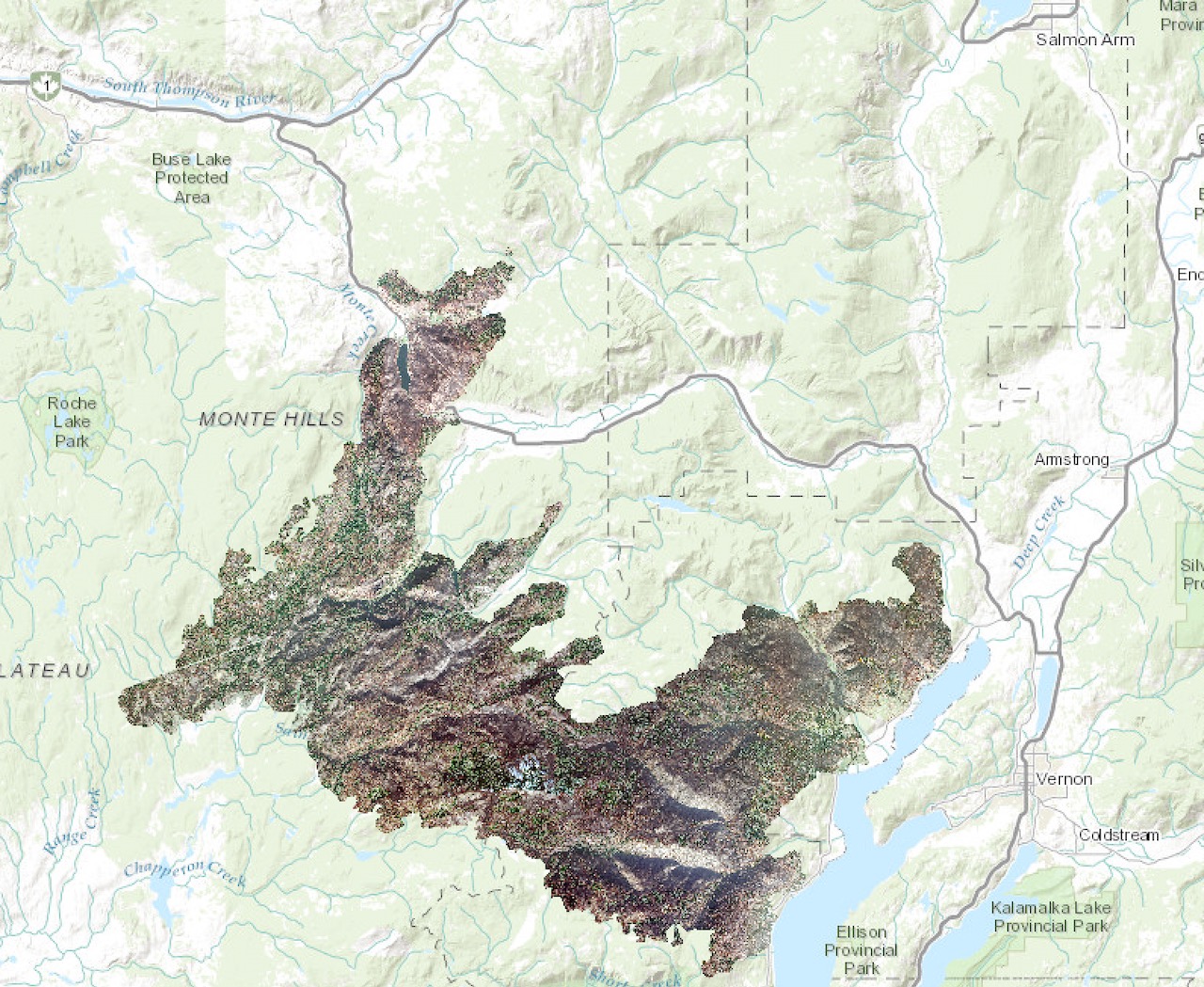
Water supply issues in the Salmon River watershed are not just a result of climate chaos fuelled drought, but also wildfire. In 2021, the White Rock Lake wildfire erupted into a firestorm that tore across the watershed as it moved from the top end of the watershed near the Douglas Lake Ranch all the way to Okanagan Lake. Consequently, vast areas of forested landscape were reduced to charcoal. These forests once helped retain water, as the trees provided shade so that snow would last longer. Now what snow that falls, melts quickly and the soil dries out sooner.
At one time, as the often told story goes, there were so many salmon returning in the fall to spawn that “one could walk across the river on their backs!” Thus, the early settlers chose a name for the river based on what they observed in the fall. But then, these farmers helped destroy the run by catching the salmon and using them to fertilize their crops. Plus, as they cleared the land and logged the hillsides, the river was used to moved the logs to the mill, which damaged the spawning beds. Consequently, the salmon runs are now diminished and restoring the runs is difficult.
Near Silver Creek, John Shut is contracted by Fisheries and Oceans Canada to count the salmon each year at the fish ladder on his farm. There are approximately 400 Chinook that spawn yearly, thanks to a hatchery program. DFO staff retrieve eggs from the fish and usually take them to a hatchery at Spius Creek near Merritt, but this year because of the fire, the eggs went to the hatchery at Kingfisher. As well, in October, approximately 800 to 1000 coho salmon return each year.
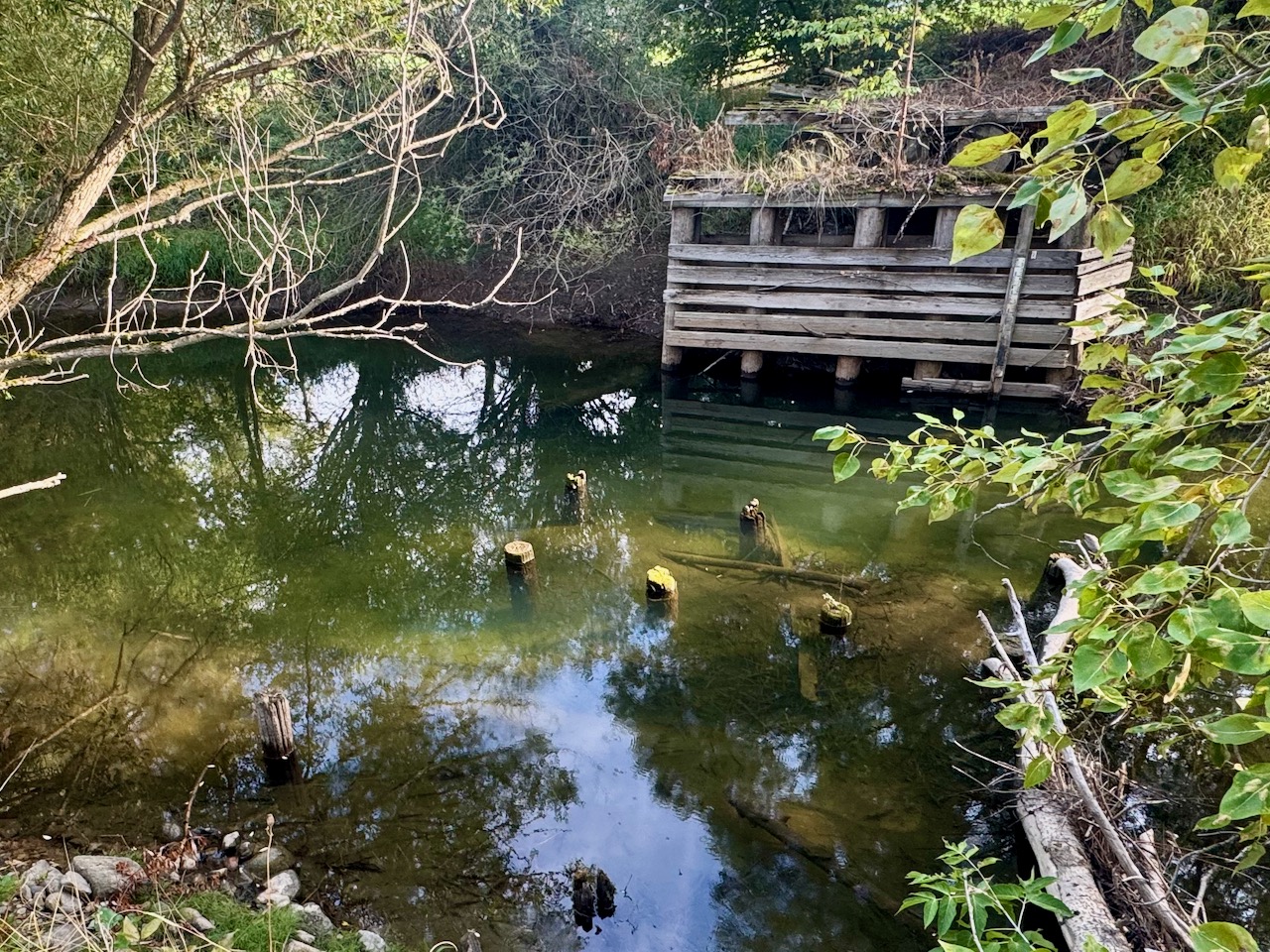
As part of the water storage study to underway, a small reservoir near Bolean Lake was used as a test case. Here the water is held up by a beaver dam and some of it was released this year under the supervision of fishery staff and representatives from local First Nations. The entire plan that is now being considered, if implemented in full would be a remarkable, unique achievement, as nothing of this scale has been done to date in Canada.