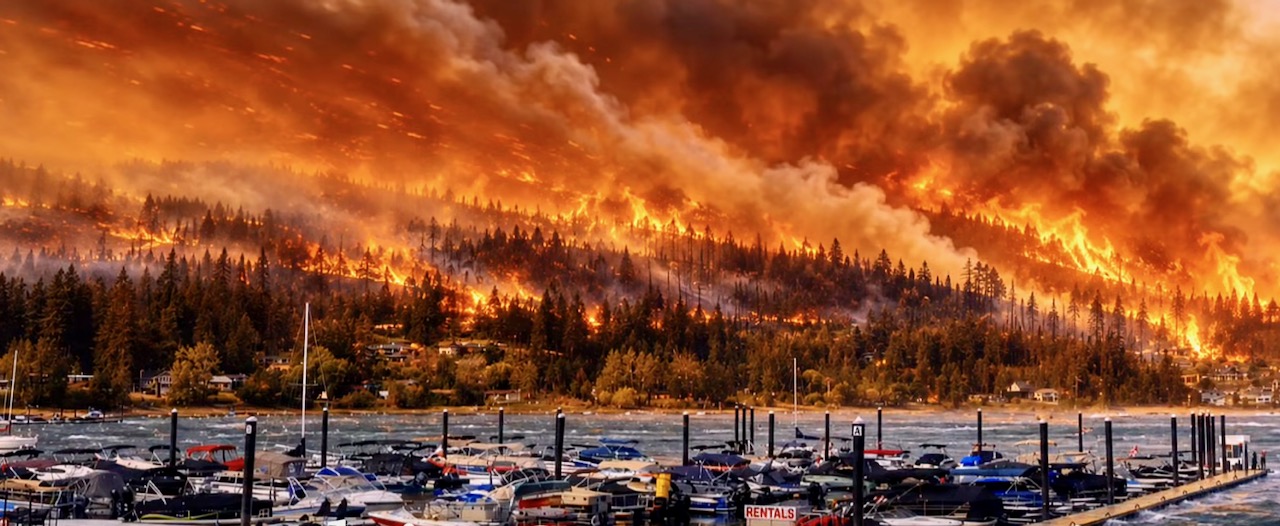
How many more Lytton, North Shuswap, and Summerland disasters will there be before governments get serious on improving wildfire mitigation and prevention? Following the recent election, the new government in Victoria is planning to make substantial changes to many programs and policies, including how to deal with the wildfire issue.
In their election platform, the Conservatives pledged to purchase water bombers, organize a “wildfire response cabinet,” and create a $100-million wildfire innovation fund for developing new methods to fight fires. They also promised to support more fire prevention efforts, including prescribed burning and FireSmart programs, and to encourage forest companies to log “high-risk areas.”
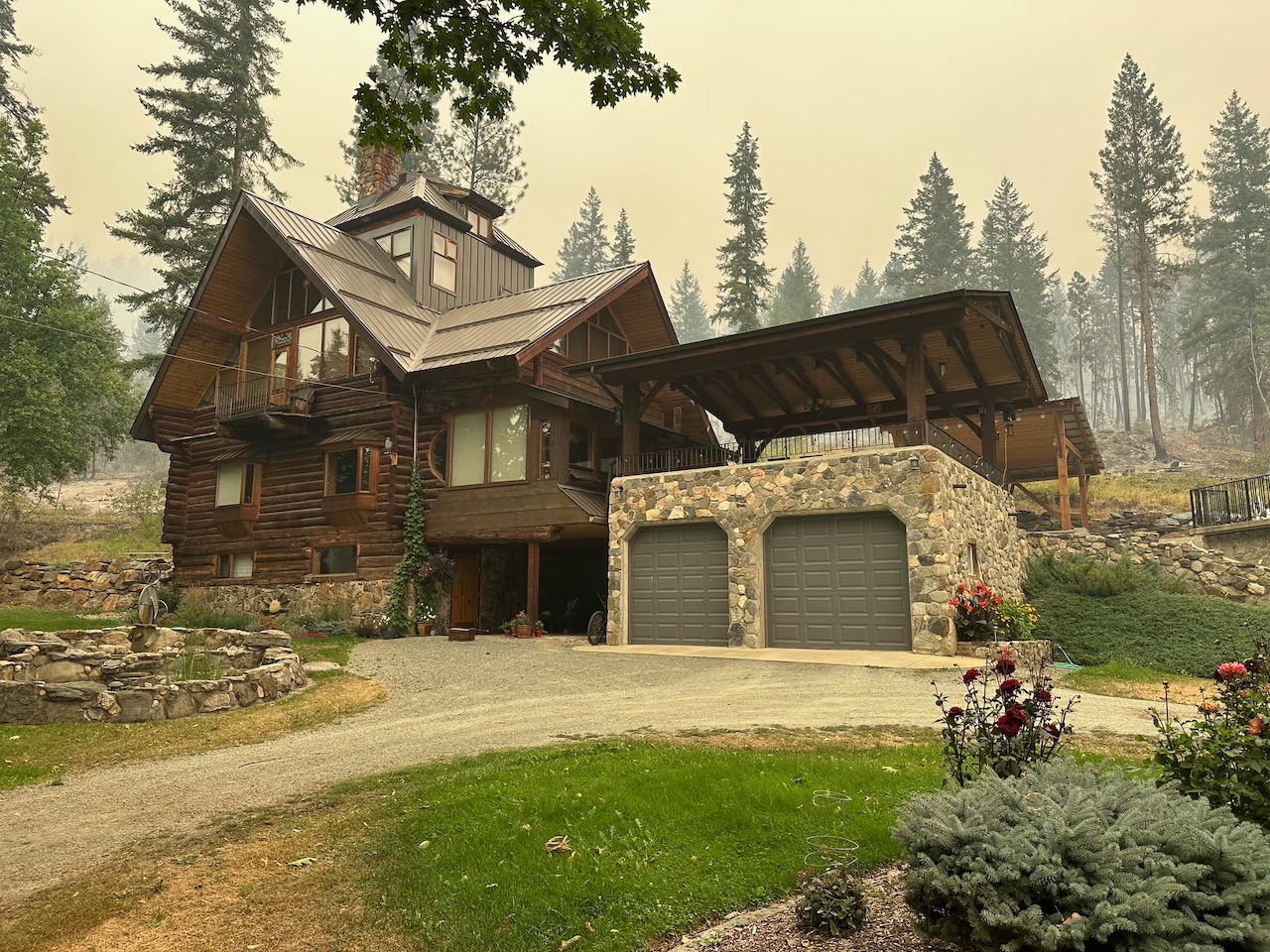
When the Bush Creek firestorm blew into Squilax on the afternoon of August 18, 2023, it hit a forest that had been carefully thinned with all the dead wood and lower branches removed, at no doubt a great expense. Despite all this effort, the “fireproofed” forest burned to a crisp and did not slow the advance of the firestorm. That night the firestorm swept down the hillside behind our home and then dwindled just behind it, leaving our house and the neighbourhood unscathed.
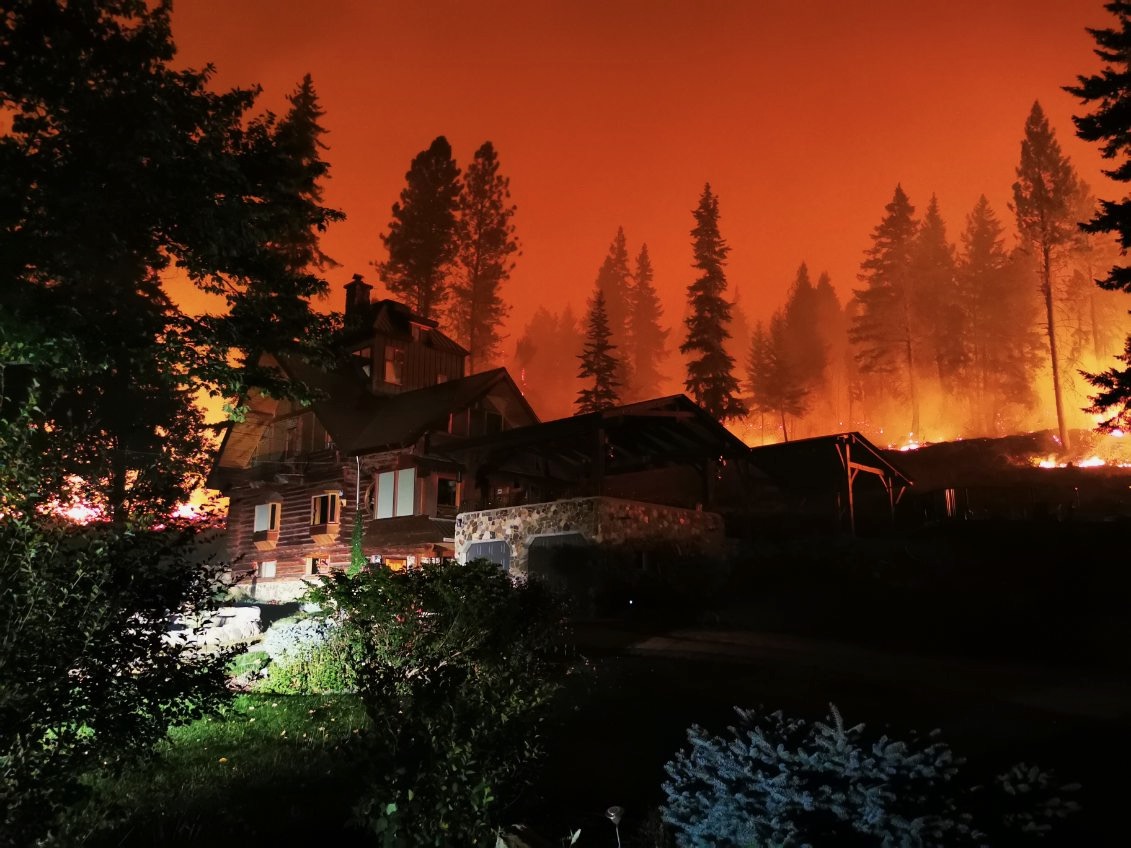
For years I had been worried about wildfires and had first done thinning and burning but then decided in 2022 that a more intensive effort was needed and had 60% of the stand logged, while leaving the largest and healthiest “mother trees.” This effort worked, because after the firestorm tore through the crown forest and moved into our property, the fire could no longer spread through the canopy, but instead travelled along the ground, reducing its intensity and the number of embers it threw in front of it.
Shuswap communities, like many other communities in the province, are surrounded by forests filled with ready to burn dead debris and thus face potential wildfire disasters as climate chaos intensifies and summers get hotter and drier. Blind Bay, Anglemont, Eagle Bay, Notch Hill, Salmon Arm and other areas are all at high risk. The new Conservative government can solve two problems, fire prevention and sawmills running out of timber, with a new approach to forestry that focuses on converting the forests surrounding our communities from scenic backdrops to forests that are designed to no longer threaten people and structures.
Intensive forest thinning is needed, and deciduous trees need to be encouraged to fill the gaps. New logging roads should remain open to improve access for fighting fires and every creek should have reservoirs for both fire protection and to provide better storage for irrigation. Another benefit of this intensive management could be more trails for hiking and biking.
Additionally, the province needs a new approach to fighting wildfires, that fully supports collaboration between the Wildfire Service, rural fire departments, logging contractors, ranchers and rural property owners. All too often, local firefighters have begun actioning fires when they were small and then ordered to leave or face prosecution. Thus, the fires grew out control burning structures and resulting in millions of dollars in firefighting costs and rebuilding costs, as well as the financial and ecological costs of the lost forests.
As well, those with local knowledge of weather patterns and geography need to be part of the decision making, which was not the case at Adams Lake, when abnormal winds drove the fire north and firefighting efforts were minimized. At that point a backburn would have been the right approach, because when the typical southerly wind pattern resumed, the fire blew closer to Shuswap Lake. As well, the fire warden program needs to be re-instated, as it was once the first line of defence, plus these wardens patrolled the backcountry to ensure campfires were either extinguished or were not made when a ban was in place.
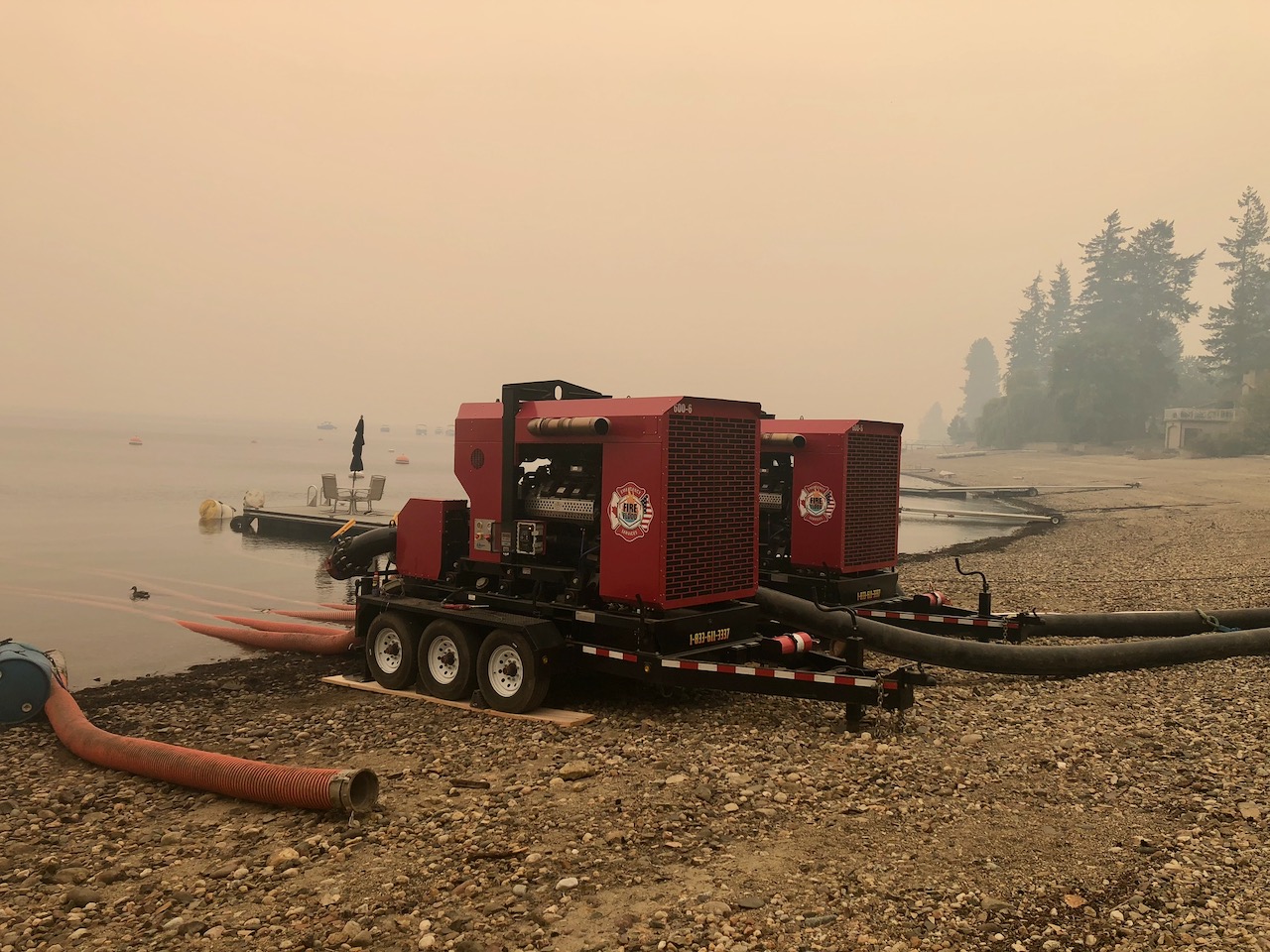
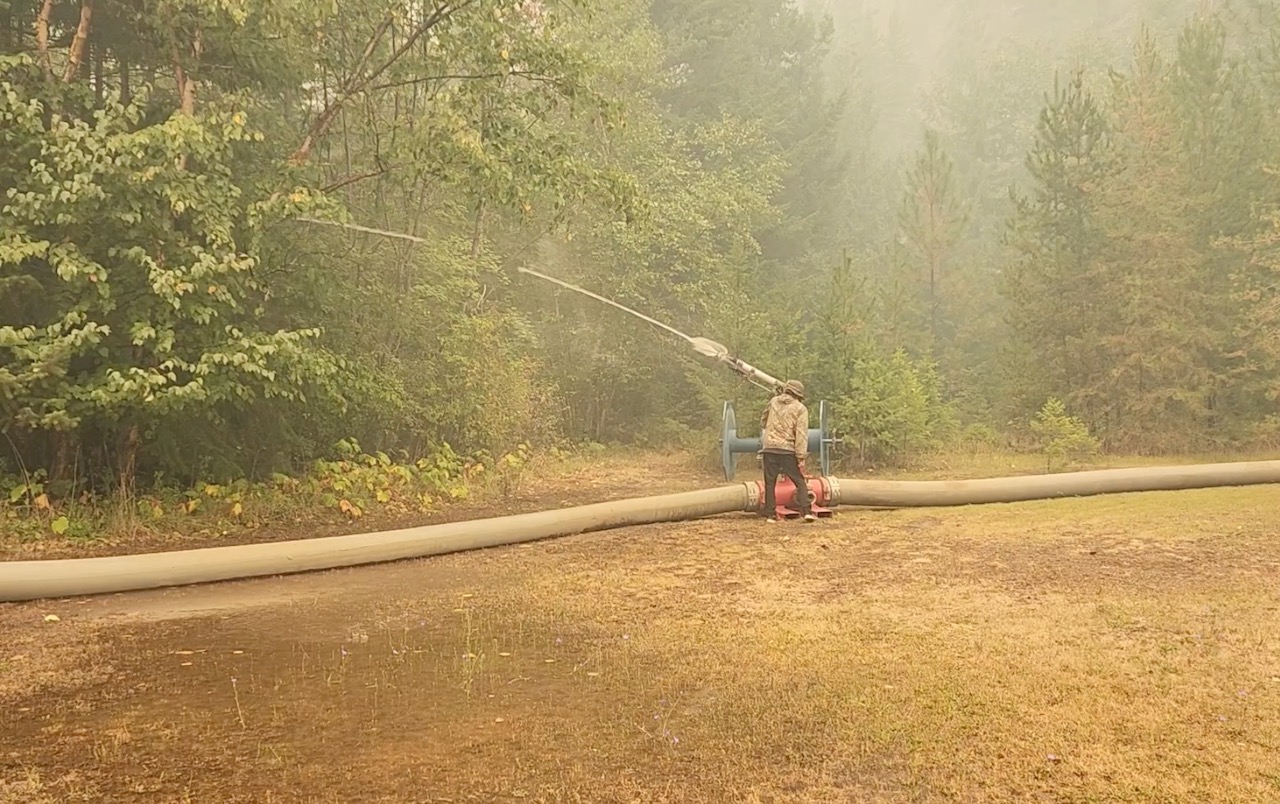
While some experts claim that the climate chaos fuelled firestorms now are unstoppable, there is indeed a system that works. On the day before the 2023 Shuswap firestorm, a company called Fire and Flood set up a massive sprinkler system in Scotch Creek with six-inch diameter pipes using giant pumps hooked up to the lake. These same types of irrigation sprinklers used by ranchers and farmers created a massive moisture dome over the community that prevented the fire from burning it down. If they had time to finish the project, the fire hall and many homes would still be standing. These systems need to be available throughout the province during the summer, or more appropriately “fire season.”
Hopefully, the new Conservative government will deliver on its promises to make the improvements needed to protect our communities and save money in the long run. Everyone will benefit if governments focus more on survival, instead of ignoring the reality of the threats facing us all due to society’s reliance on fossil fuels and our unsustainable lifestyle.
POSTSCRIPT
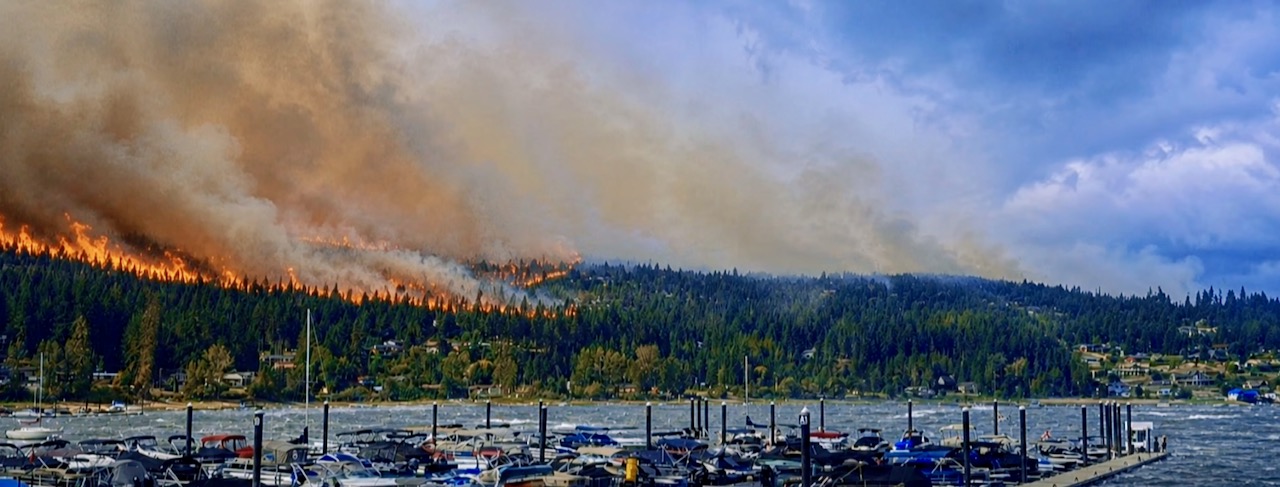
Blind Bay is one of the high risk areas in the Shuswap. A fire could start by lightening on the hillside to the east and quickly spread if there is a windstorm. The forest there is primed for burning, as it is filled with dead and dying trees along with debris on the ground. Years ago, I helped with a campaign to prevent that hillside from being clearcut and now there are hiking and biking trails on it. given the rapidly escalating climatic conditions that is resulting in drier and hotter summers, we need to revise forest management to focus on reducing the threat to lives and infrastructure that these forests now pose.