With the improvements to the Trans-Canada Highway at Tappen nearing completion, it is a good time to reflect on the area’s history. Fortunately, one of Tappen’s earliest settlers, Henry Calhoun, wrote his story in 1948 for the Salmon Arm Observer and it was reprinted in the 1980 publication, “A Salmon Arm Scrapbook,” published to commemorate the city’s 75th anniversary.
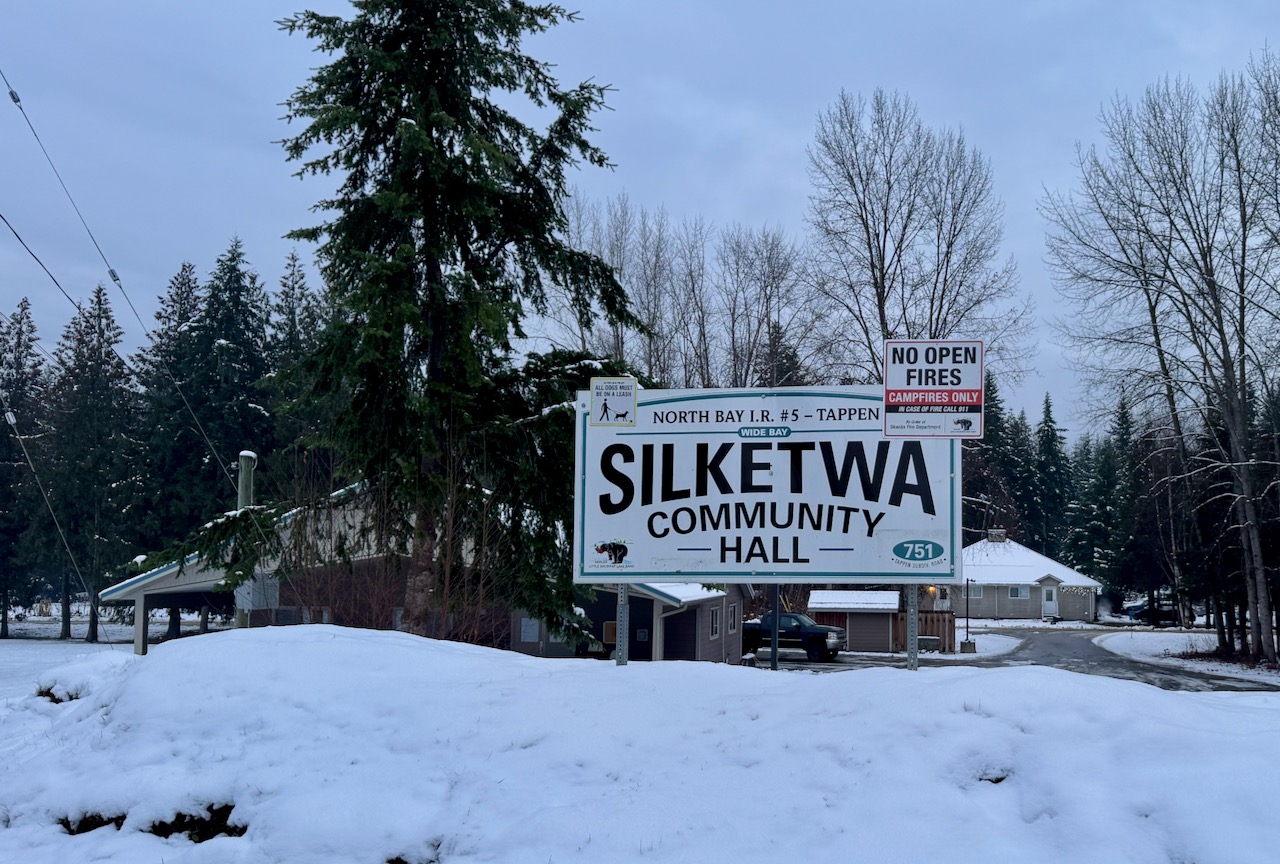
Prior to European intrusion into Secwepemcu’lecw, Tappen Bay was called Silketwa, and the families living there were closely connected to those living in Skwlāx. Tragically, the Indigenous population plummeted due to diseases brought in by the fur traders and by the time Calhoun’s family arrived, there were only three or four Secwépemc families living at Silketwa. Apparently, they had been persuaded by the Indian Agent to settle there, because the reserve needed to be occupied or it could have been removed.
Calhoun’s family arrived in March 1886 after moving from a ranch seven miles west of Shuswap (the community to the west of where Chase is now). They had to travel there on the old “Indian trail” from Turtle Valley to Skimikin, which took them two days after getting lost when the sun went down. They had purchased the land where the Genelle brothers had operated their first sawmill in White Creek valley just a quarter of a mile west of the track. It had been used to cut the timbers for building the CPR. In 1894, their mill was moved to Kault, the narrow strip of land between the tracks and the bay below Granite Mountain.
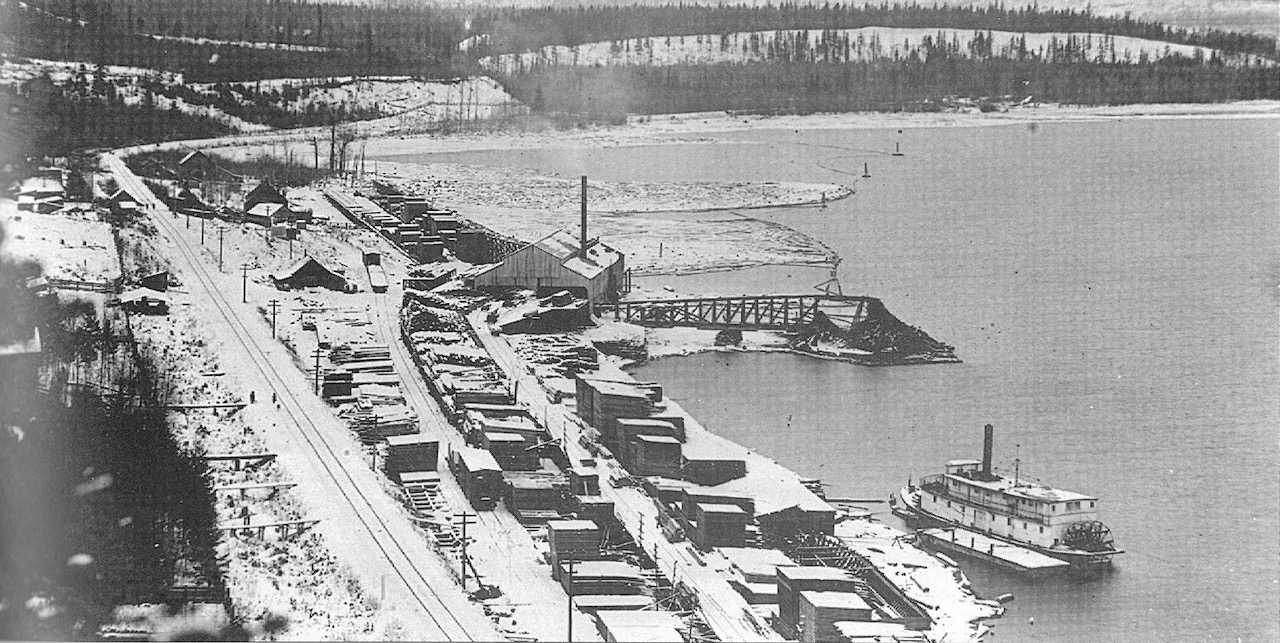
The Calhouns first lived in the boarding house for the old mill and there were still piles of lumber left. Much of this valley had been flooded due to the beavers, however the French-Canadian lumberjacks had cut channels in their dams and when the beavers came to repair them, they were trapped. By 1890, the formerly wet valley had filled in with brush and trees.
More settlers arrived, but they were considered squatters until the Genelles released their timber rights. Over 100 men were employed at the Genelle sawmill, including settlers who used this income to develop their farms. There were cabins alongside the tracks, where many of the workers lived. The sawmill also operated a store to serve the workers and the settlers. To the southeast of the mill, the Reilly brothers had a sash and door factory that supplied windows and doors to Salmon Arm and other communities.
To supply their mill, the Genelles had been using a floating logging camp for poaching logs around the lake, which resulted in the government forcing them out of business. In 1898, they sold the mill to the Columbia River Logging Company that was owned by Michael Carlin. He brought in his brother James to manage the mill. James purchased the land above the mill from the McDonalds in 1904 and added a section to the house, which they moved into in 1908. Their home became a social centre for the community.
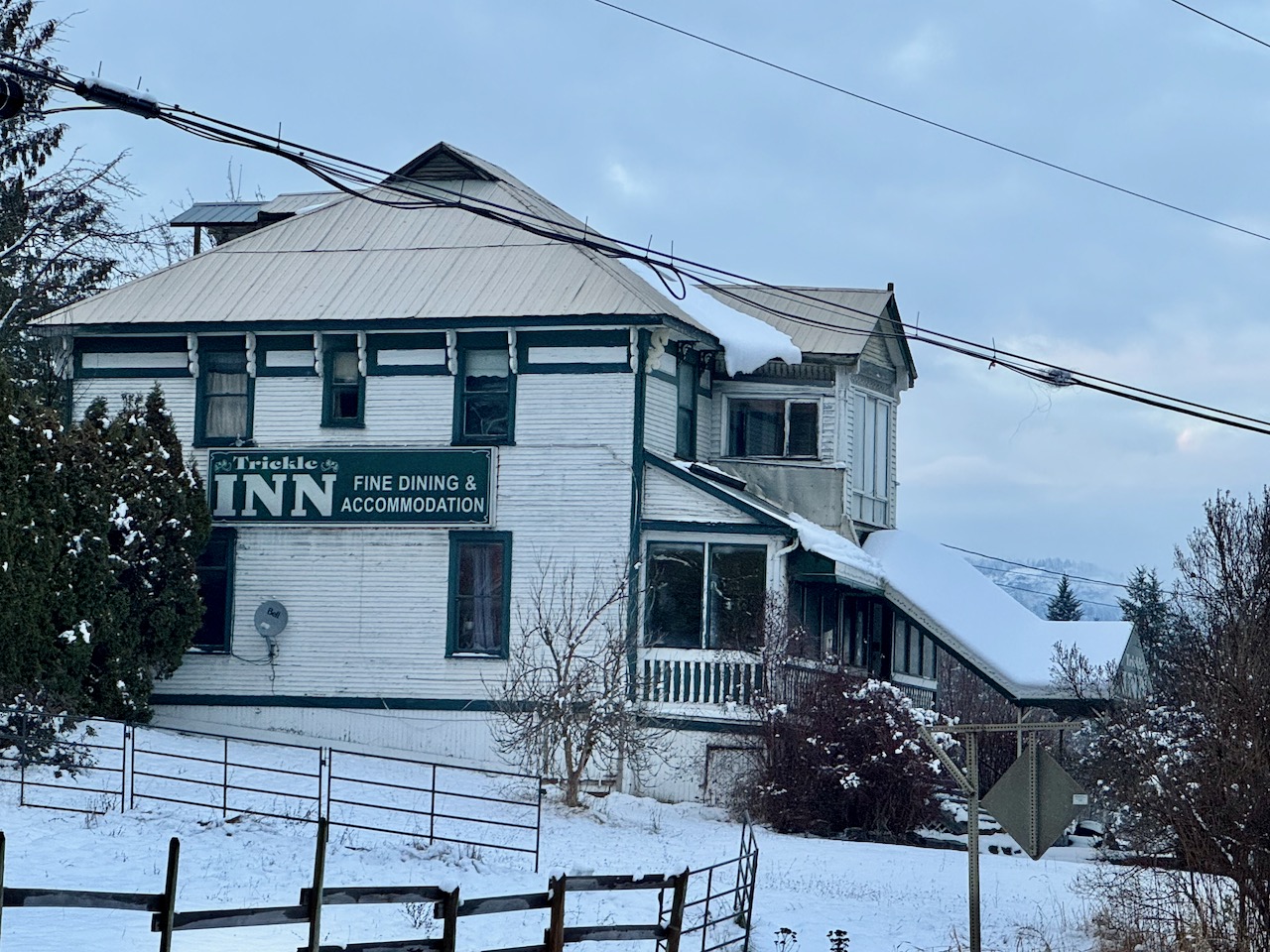
By 1906 there were many more settlers, and a train station was built at the siding located between where the bridge is now and the bay. The settlers petitioned for a post office and thus a name had to be chosen. Suggestions included Brightwater, Silketwa, and Lady Grey after the Governor General’s wife. Instead, they chose Tappen, the name of the CPR sub-contractor who had laid the rails at the siding.
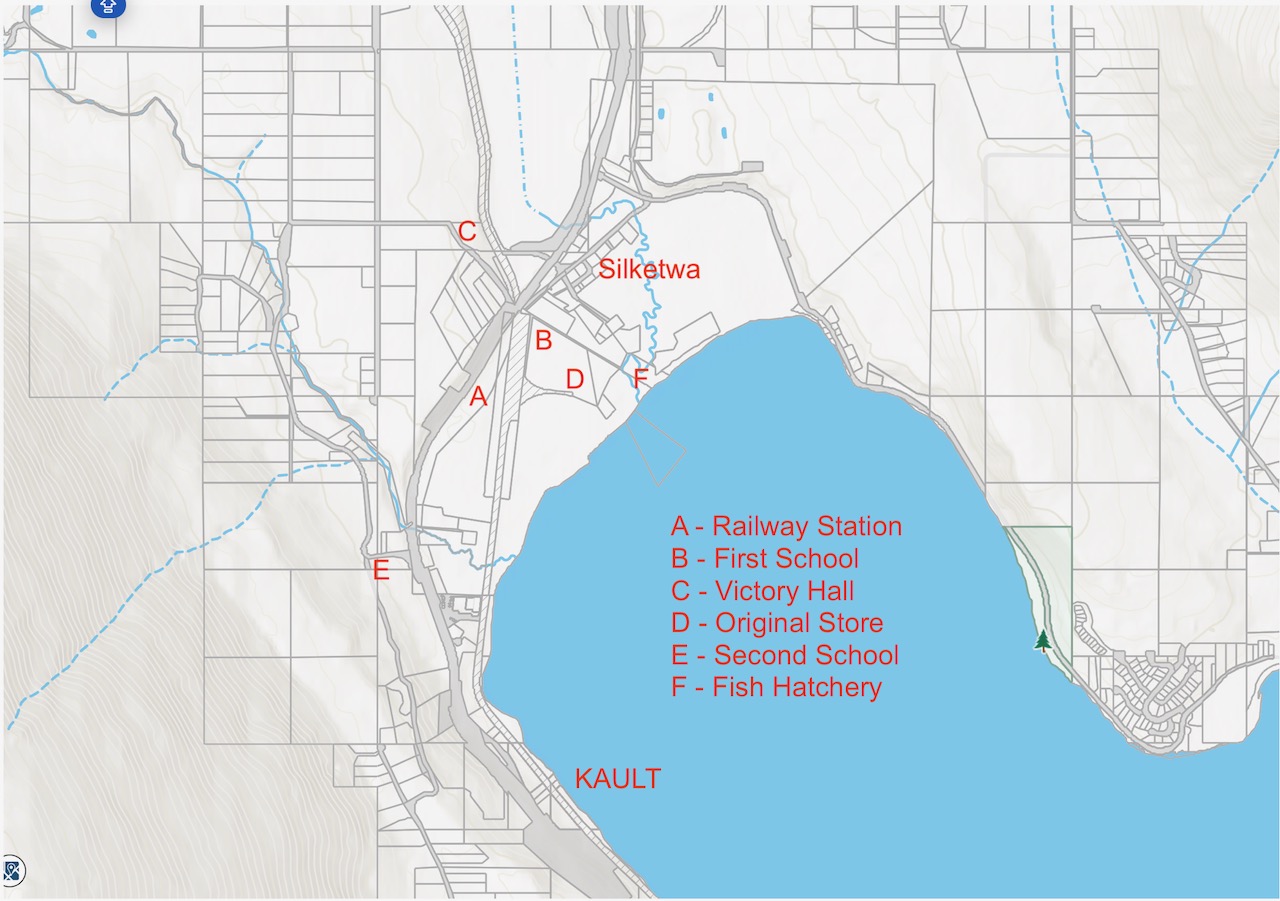
For many decades, the area surrounding the train station was the centre of the community, where there was a bunkhouse, a section house and a water tower. Prior to building the station, a school was built there in 1900, thanks in part to donations from bachelor loggers. It was also used for church services. In 1907, Henry Banks built a store and from 1901 until 1916, a salmon hatchery operated in the bay using water from Tappen Creek that employed upwards of forty people.
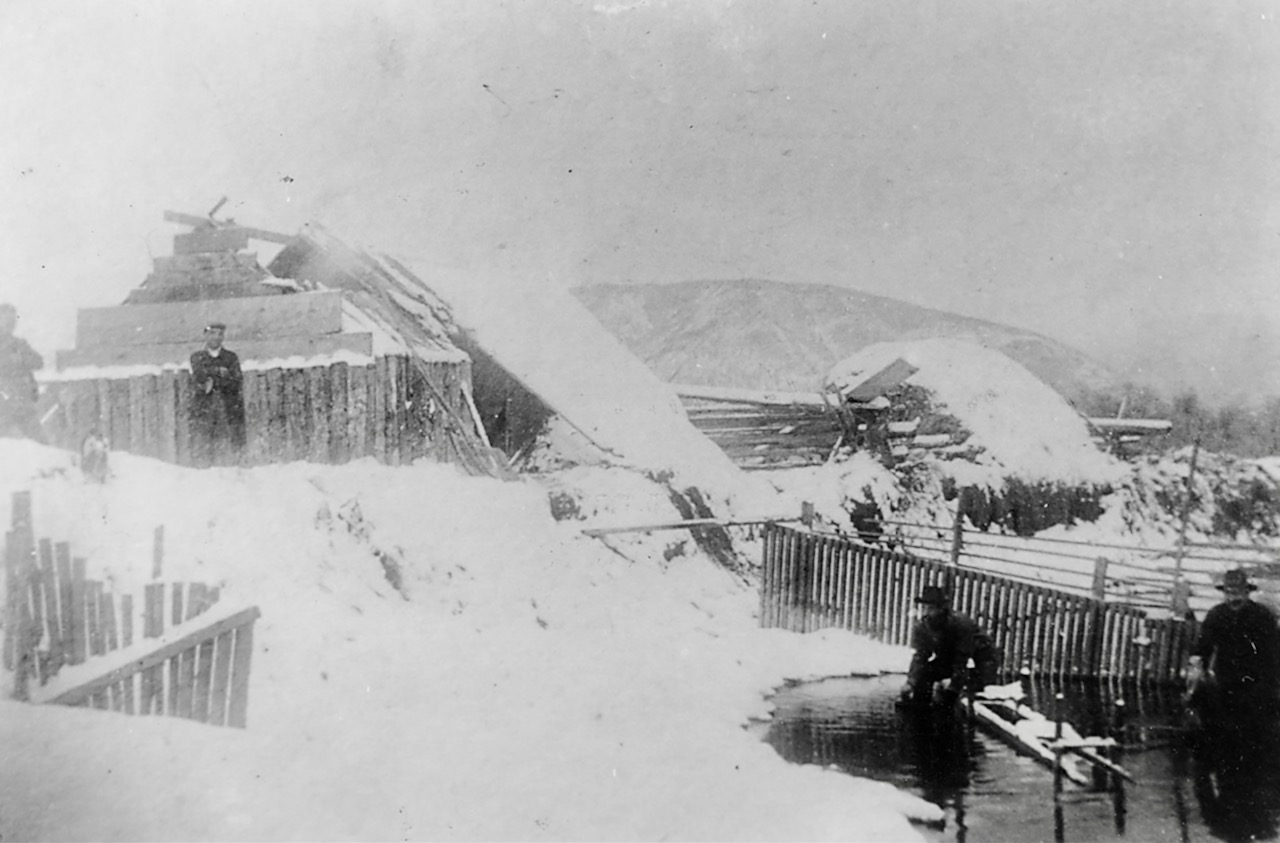
In 1913, many of the settlers decided to form a Farmer’s Exchange to market their produce so they could avoid being exploited by distributers. A building was constructed and soon the Exchange was also used for purchasing supplies. This building became the office, and the Calhoun warehouse was the grocery and feed store. When Henry Banks complained about his loss of business, the Exchange purchased his store in 1915, which became a cooperative that was initially called the Granite Trading Association (now the Tappen Co-op).

After two world wars and a depression, the latter part of the 1940s and the early 1950s became the boom years for Tappen. Tie camps and mills were busy cutting and shipping railway ties and farmers were shipping out hay, grain and vegetable produce. One farmer had a contract to ship hay to China and Calhoun Farms were shipping carrots to Scotland. How times have changed, as much of our food now comes from the U.S. and Mexico and local farmland is often underutilized.
POSTSCRIPT
Here is a map of Tappen today that shows the location of the historical buildings in the original Tappen Siding community:
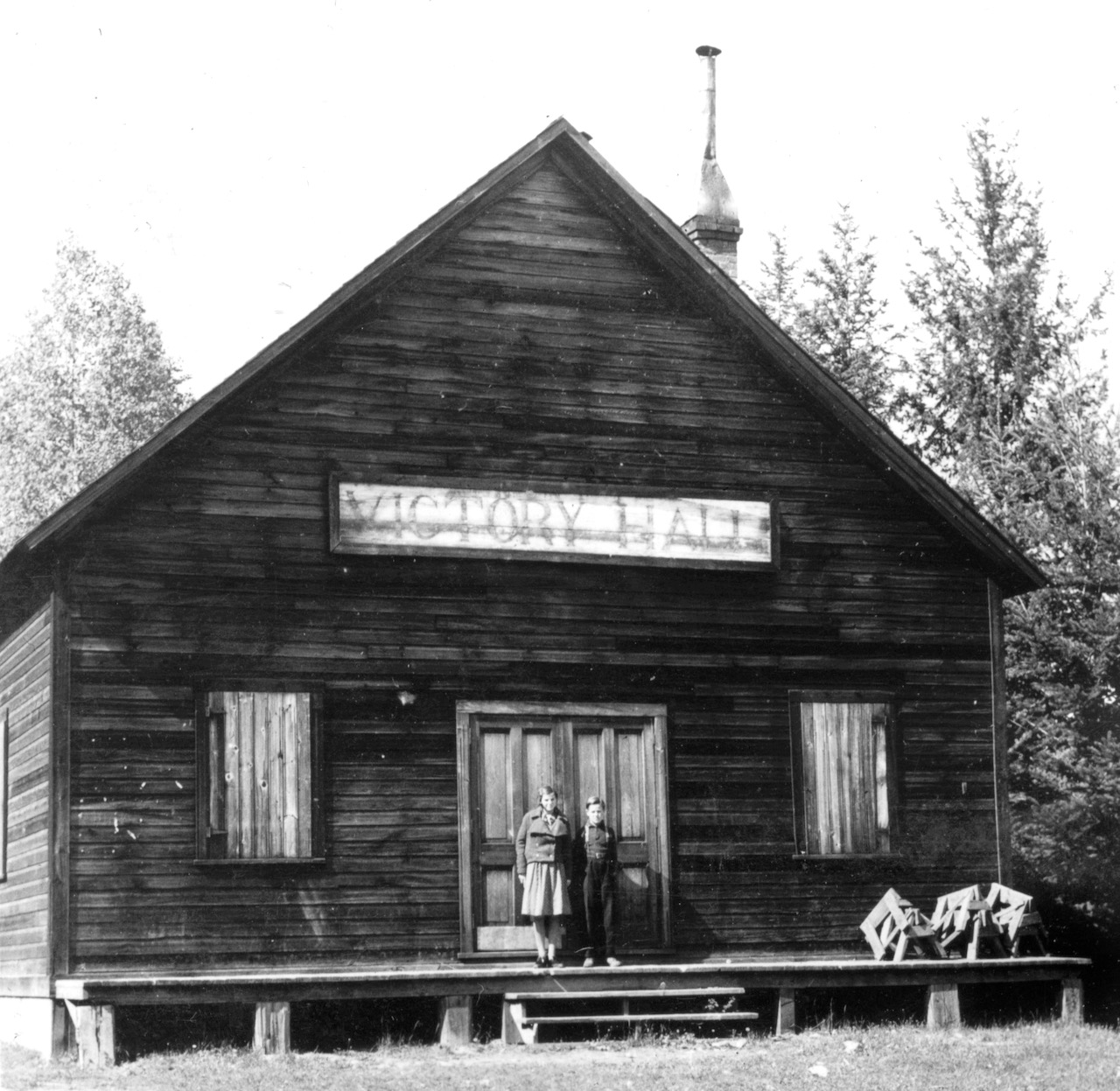
The first community centre was the Victory Hall, built in 1922. It burned down in 1954, likely from a discarded cigarette butt. It was built with lumber salvaged from the mess hall at the sawmill. Later in the 1950s, a Women’s Institute Hall was built next to the current Co-Op store. After it closed, it became a restaurant, then it was used as the first Shuswap Theatre before it was converted to apartments. This land was purchased by the Co-op and it is now used for parking and for the gasoline tanks.
Another photo of the fish hatchery, which employed upwards of 40 people.

From: https://saobserver.net/2019/05/13/our-history-in-pictures-the-granite-creek-hatchery/