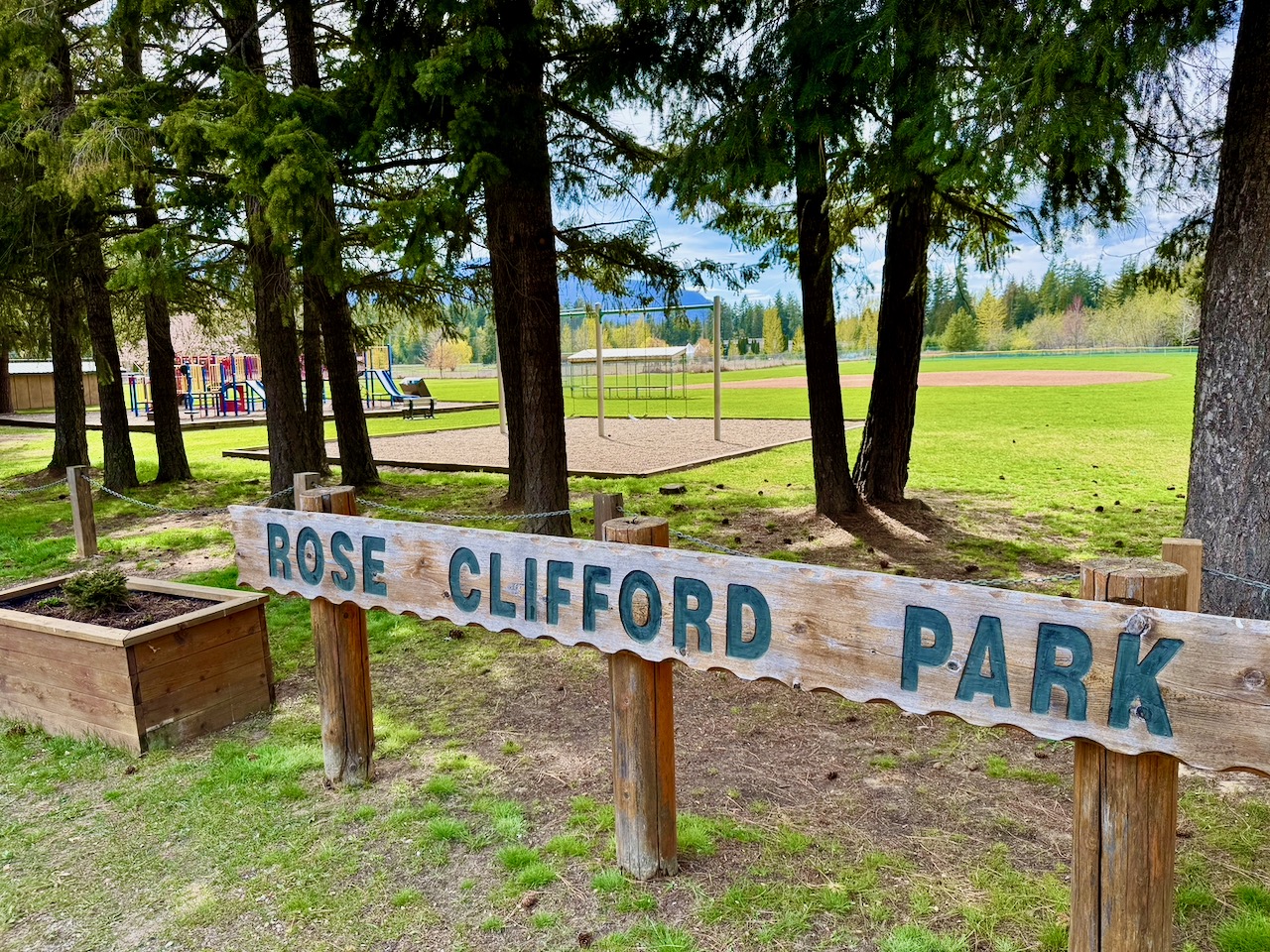
Despite initial opposition from area directors, the CSRD is moving forward to hire outside consultants for re-doing the master plans for their park system. When the $700,000 cost for this project was reviewed by the directors, they balked, knowing that these provincial gas tax funds could be better spent on capital projects to improve the parks and construct new trails. However, staff convinced them to approve the project because the population has grown, they deemed the existing plans to be “out of date,” and there are new recreation trends to consider.
My involvement with the regional district parks system began long before there were any parks, when Shuswap Environmental Action Society did a presentation to the board in the year 2000 that helped kickstart the park program. We presented research results that showed how many other regional districts had extensive park systems covering hundreds and, in some cases, thousands of hectares. Plus, we presented convincing reasons for why the Shuswap deserved local parks and trails. Fortunately, the CSRD had also been considering the concept and had assigned a planner to investigate potential sites.
At the urging of the then Area C director, Ted Bacigalupo, who was an ardent advocate for parks, the CSRD hired former Parks Canada planner Roger Beardmore to oversee a park planning process. After extensive public consultations and extensive reviews of potential sites, detailed plans were developed first for Area C and eventually for the entire Shuswap area. Local park advisory committees were set up to allow for local input into funding decisions and park designs.
Everything was going well, as the park and trail system expanded until COVID hit and the committees were disbanded. After we all emerged from the impacts of the pandemic, there was a turnover of park staff, and the local advisory committees were not re-instated. The existing plans, which were never completed, were shelved and rather than reviving what had been working well, the current staff determined it would be better to start afresh.
When it comes to the trail component of our parks system, there is already an extensive trail planning process under the leadership of the Shuswap Trail Alliance called the Shuswap Trails Roundtable, that meets annually, with quarterly working table meetings as well. The Roundtable involves every user group interested in trails, including the CSRD. Even though the CSRD often contracts the Trail Alliance to build and maintain trails, it has decided to hire consultants to prepare new plans rather than use the Roundtable plans.
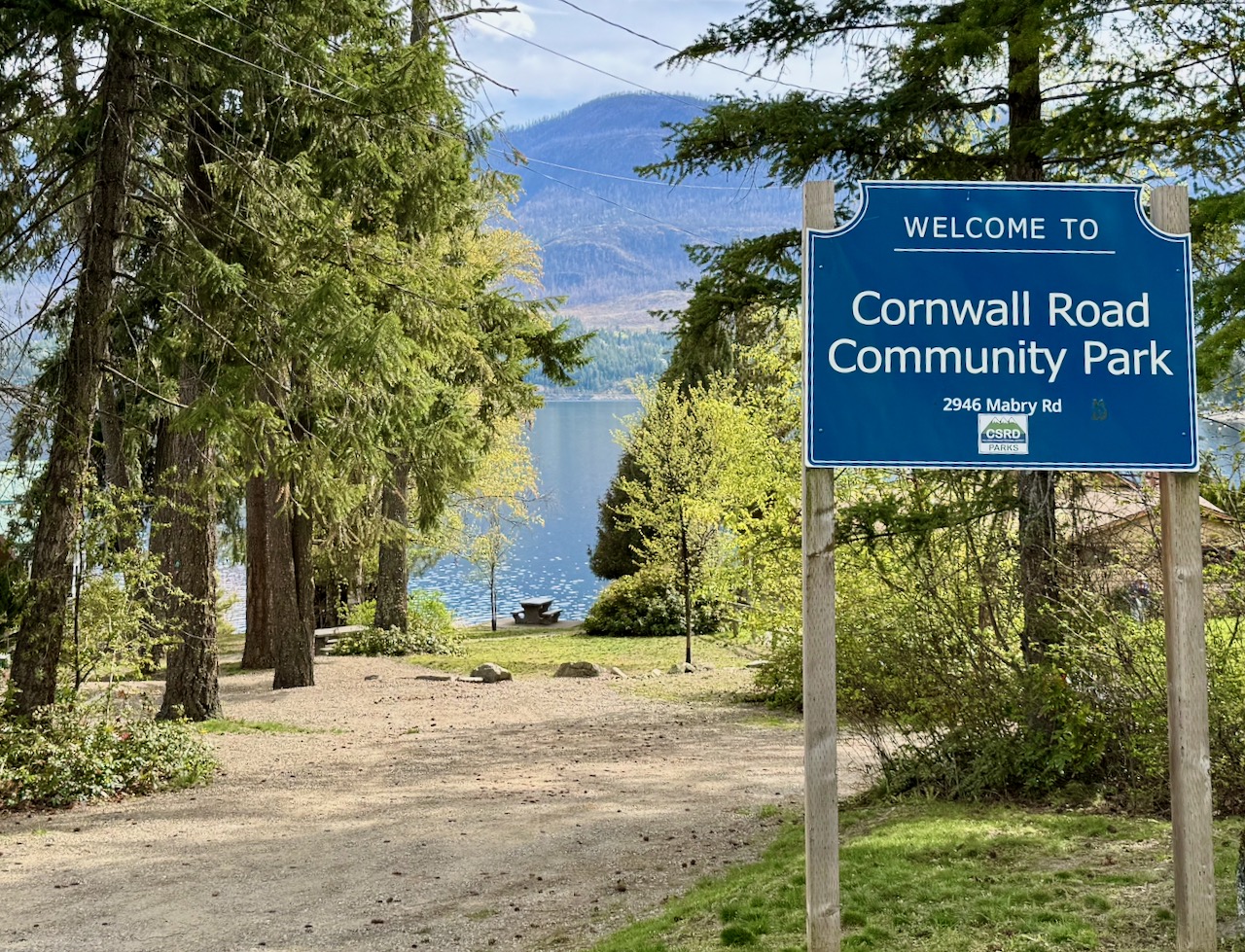
For all of us who care deeply about parks and trails, we now must get involved in what will be another two rounds of public consultations that are slated to begin this spring. These consultations will help all those who are not aware of all the existing parks and trails to better understand both the land base and the current park system that includes beaches, playing fields, tennis and pickle ball courts, as well as some trail networks.
What the consultants need to hear is that the advisory committees should be revived so that local citizens who are keen about outdoor recreation and have a good understanding of local geography can provide the advice that staff can utilize to improve and expand the park system. As well, they need to hear that the extensive and detailed Trail Roundtable planning needs to be used as the basis for creating new trails.
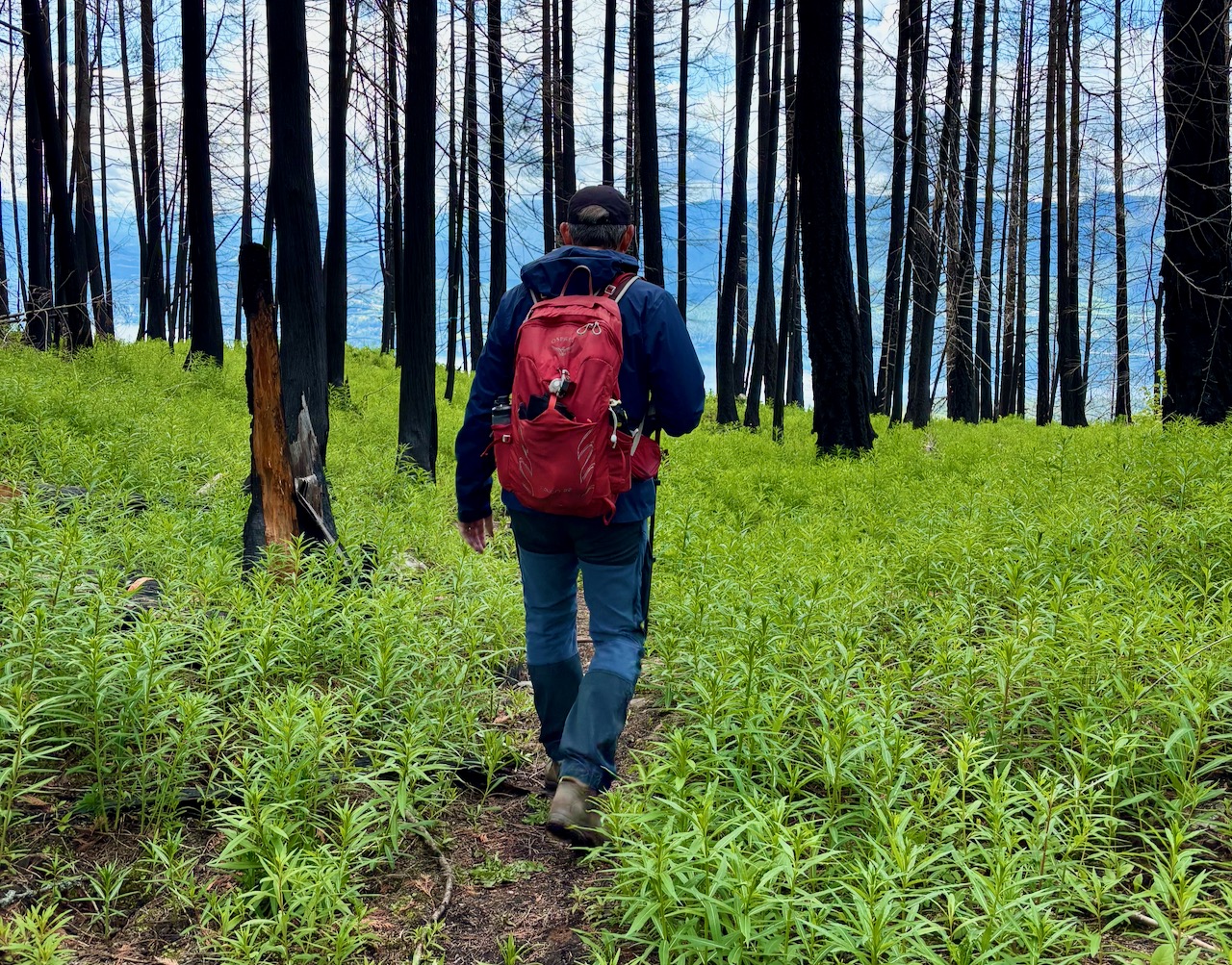
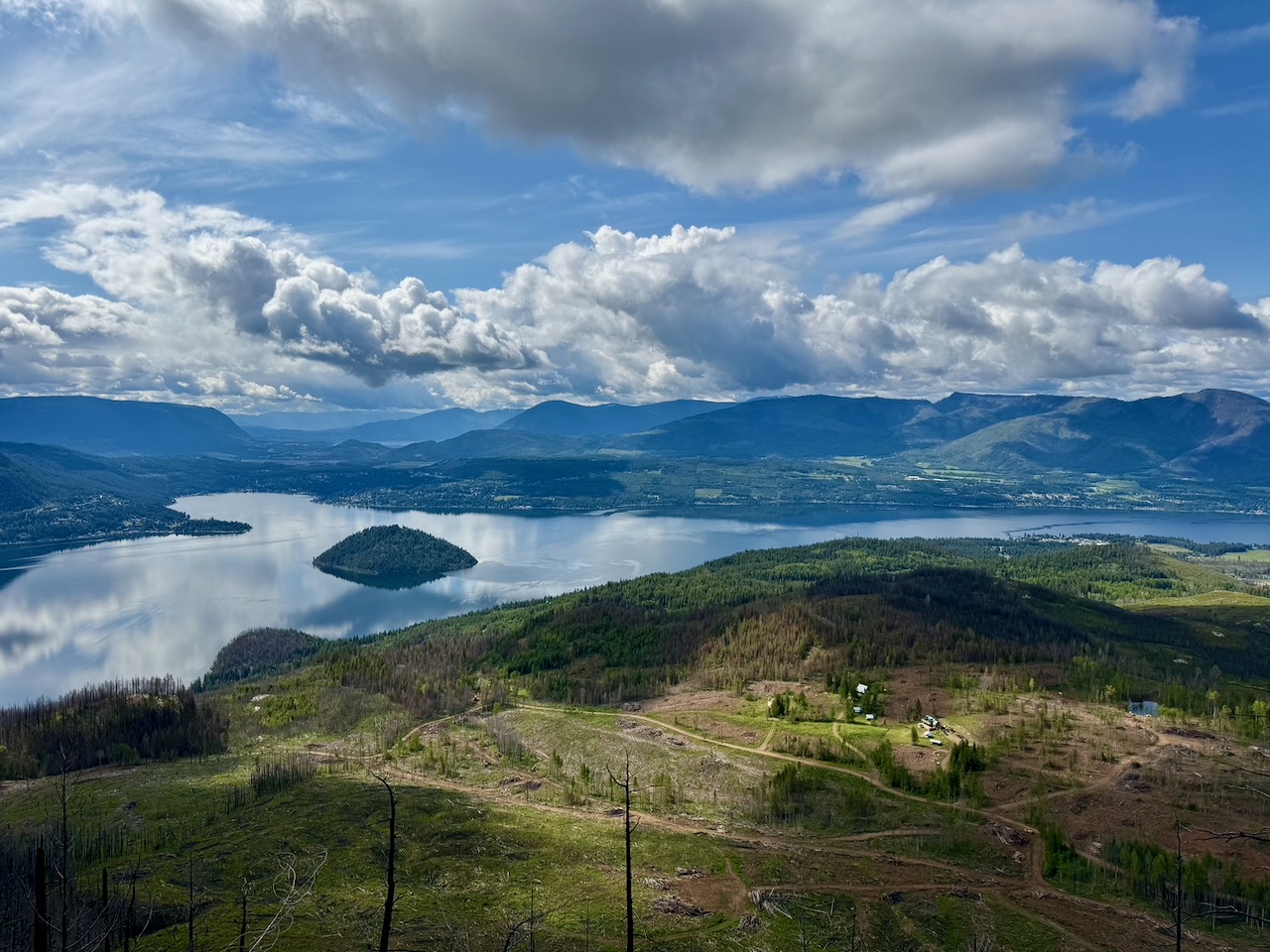
My guess is that the consultants, upon reviewing the excellent plans prepared by Roger Beardmore and his staff, seeing how the landscape has not changed (other than from the 2023 Shuswap Firestorm), and consulting with the public, they will end up preparing new plans that look quite similar to the existing ones! Perhaps by mid-2027, when the consultants are slated to complete this project, we will finally see action on building new parks, new infrastructure and new trails.
POSTSCRIPT
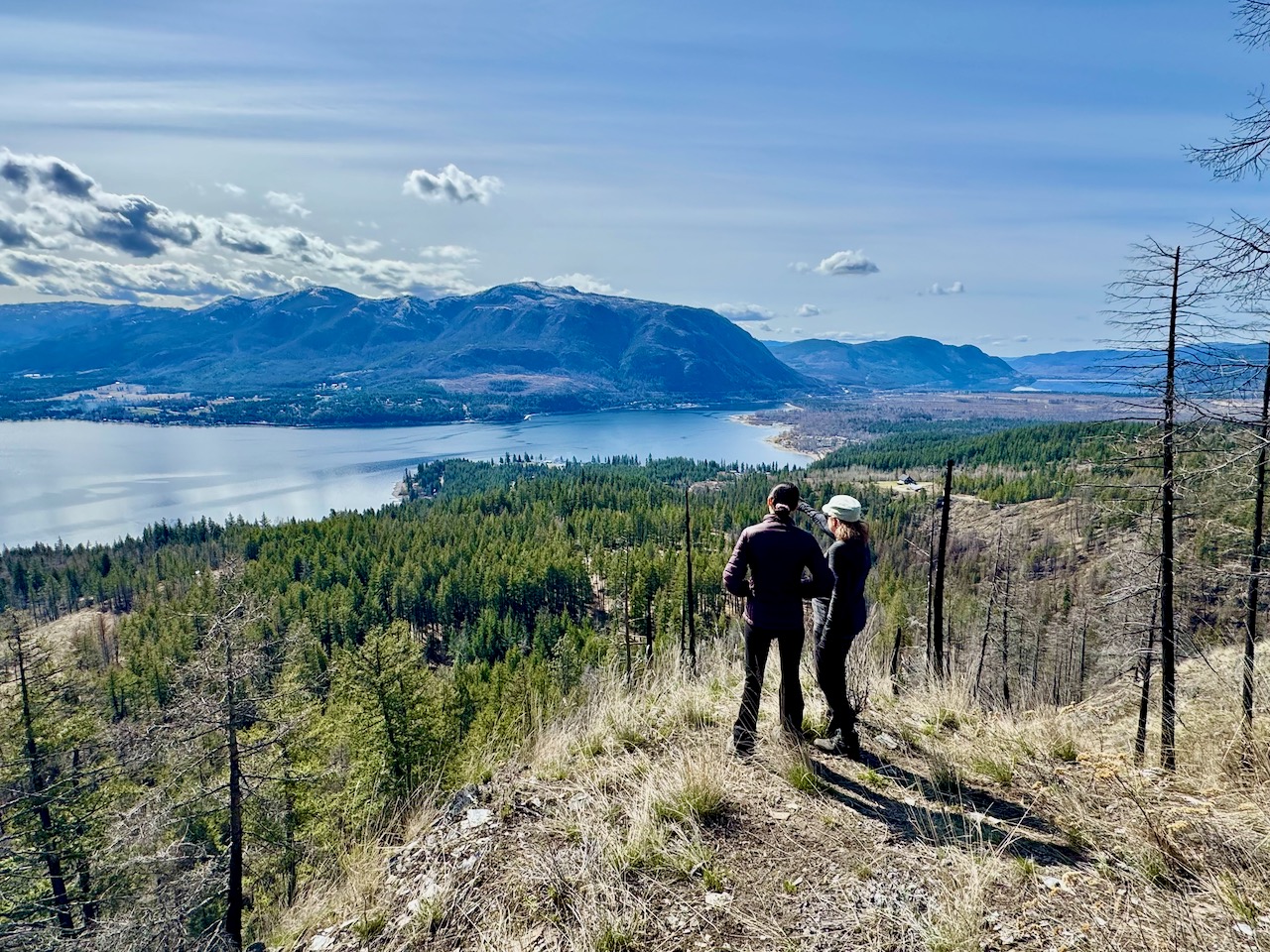
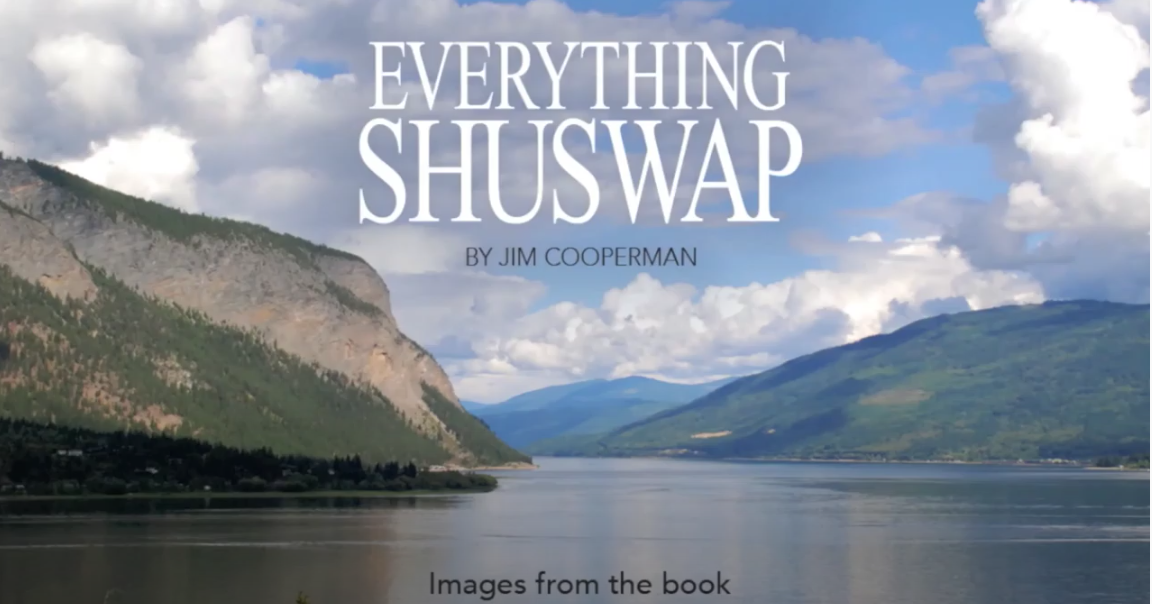
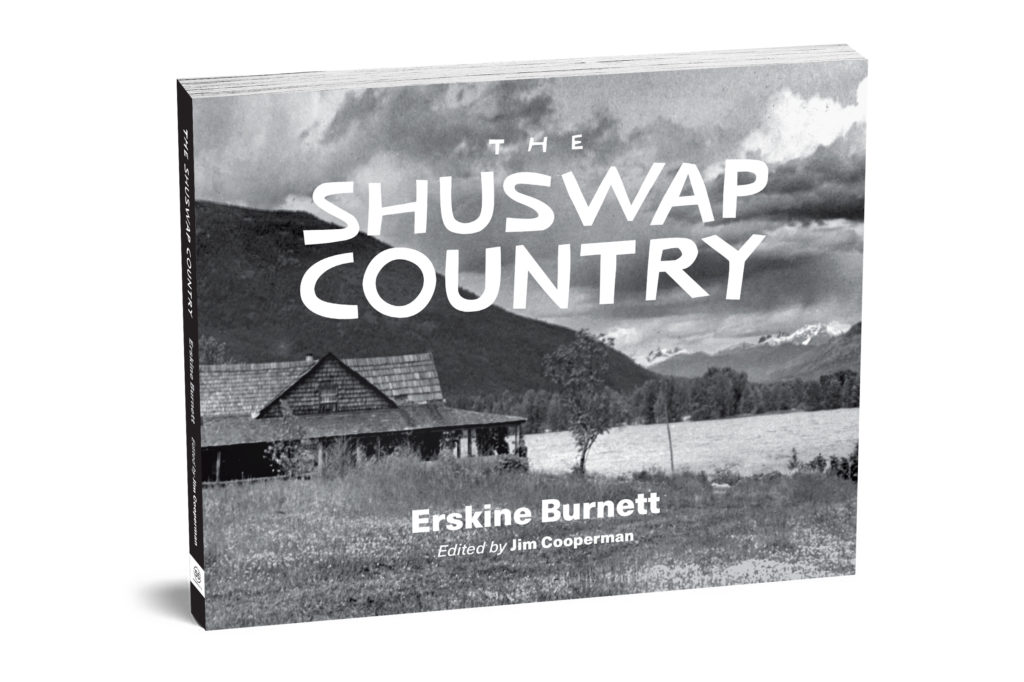
As my best selling book, Everything Shuswap, points out, we are fortunate to live in one of the best places in the world, thanks to our Indigenous heritage, our small population, our beautiful and diverse geography, our rich culture and of course, our magnificent lake. We do have an amazing regional district parks system and although the existing plans from 2005 are dated, they have yet to be completed. There is already a road-map for improvements, but the proposed parks and trails in the existing plan and those that have already been developed through the Trails Roundtable process have been stalled for years. One proposed park and trail system is in the hills above Lee Creek and has amazing views (although the area burned in the 2023 fire). Thus, I am frustrated and we all should be annoyed about the decision to hire outside consultants and pay them an exorbitant fee to tell us what we already know or what we could determine ourselves if only the advisory committees were re-established. But since the decision has been made, we must make the most of it.
If you care about enjoying all of what the Shuswap has to offer, then get involved in the consultation process. If you know of any area that would be good for trails or want to see another amenity in an existing park – let them know. We do need more public beaches, more trails, more opportunities for mountain biking and the proposed waterway paddling plan should get built (on the Eagle River, the Seymour River and at Humamilt Lake). There is a proposal for a downhill bike trail on Crowfoot Mountain that would be excellent.
There is another detailed planning document prepared by former Shuswap Trails Executive Director, Phil McIntyre-Paul for the CSRD called the South Shuswap Destination Trail Planning Framework. It “provides foundational direction for several priorities in the sub-region including new local trails, the concept of a linked destination trail, non-motorized and motorized use, trailhead staging, a shoreline paddle trail, and overlapping active transportation priorities.” Although since it was completed last year and subsequently shelved, hopefully it will be utilized in the upcoming planning process. Learn more about it and download the report HERE